
English
Inquire
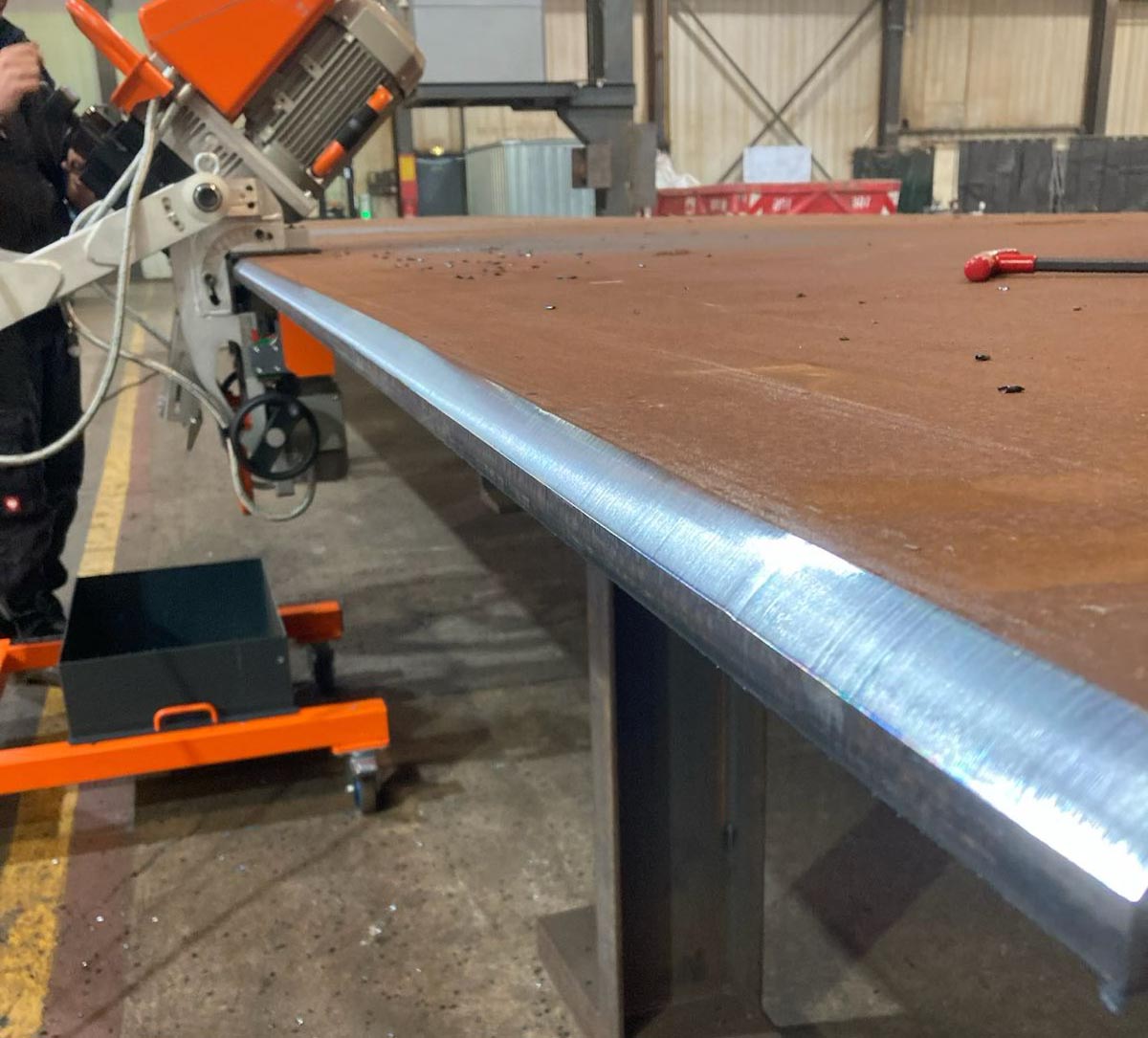
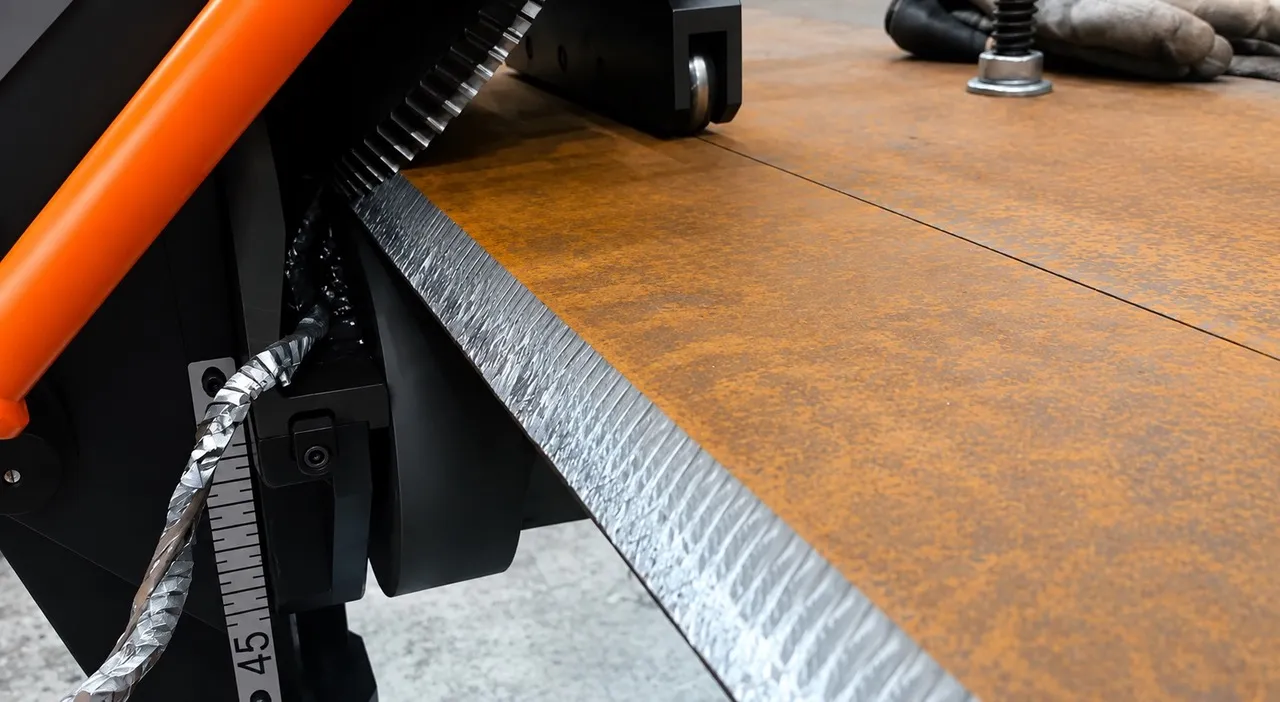
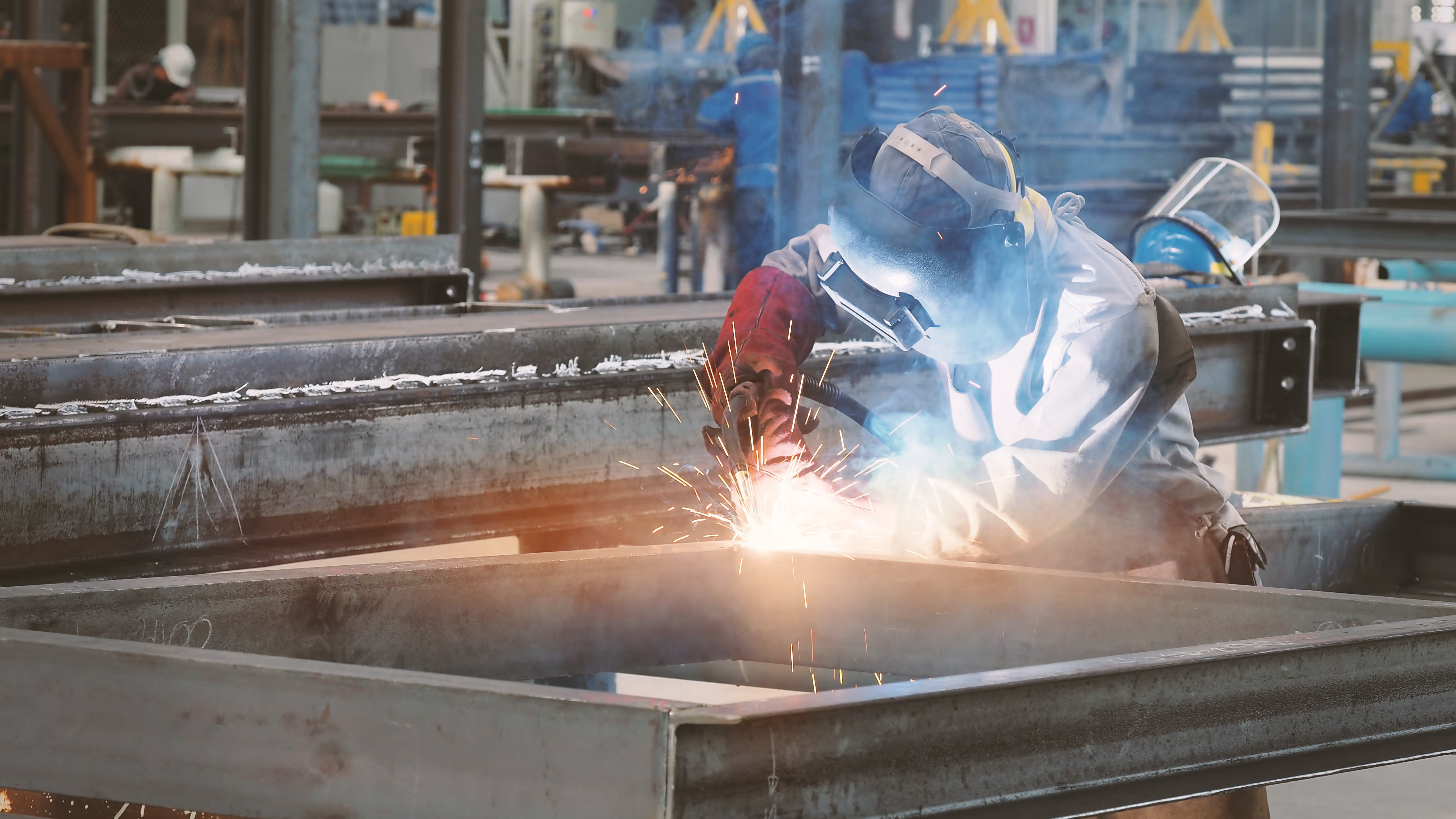
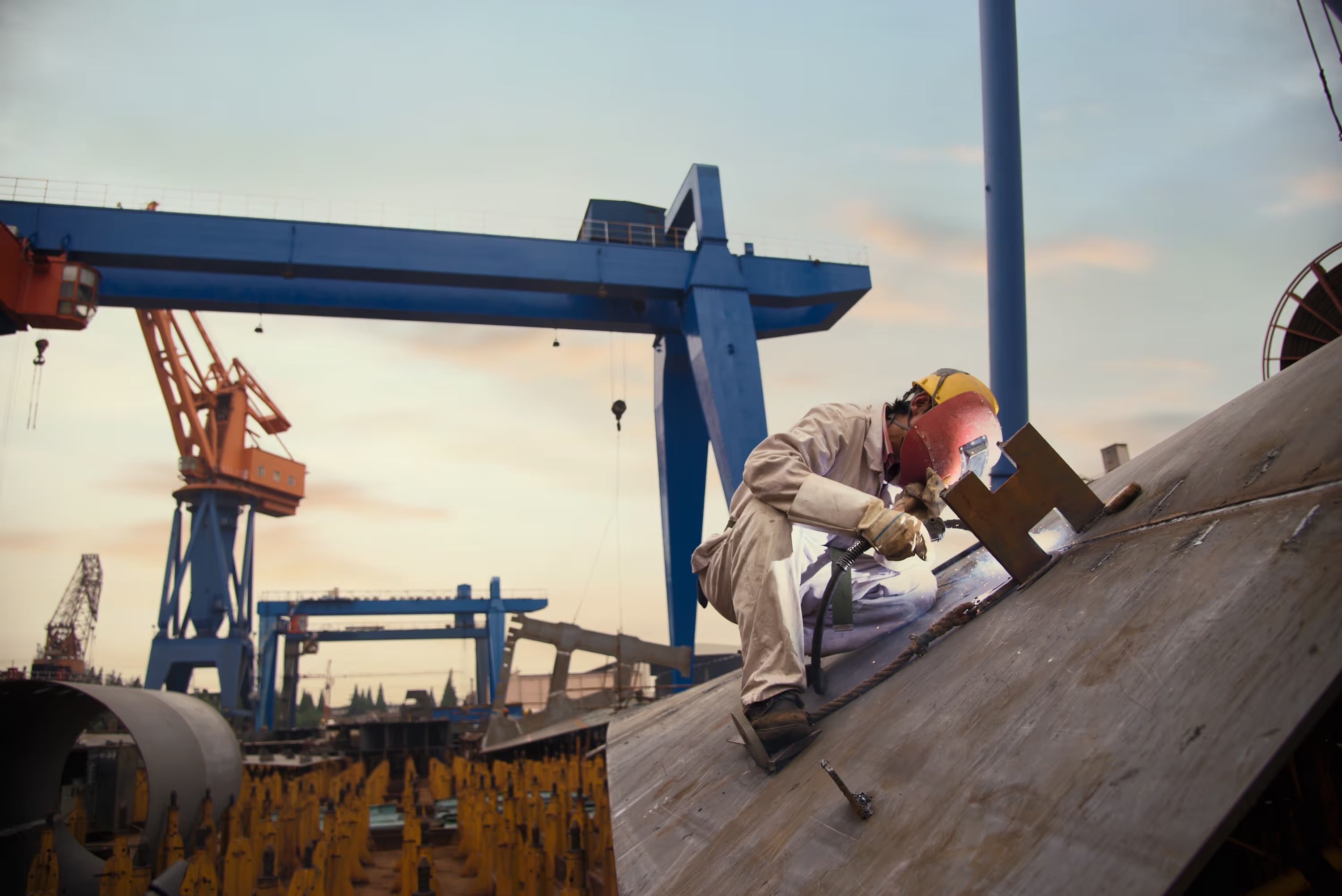
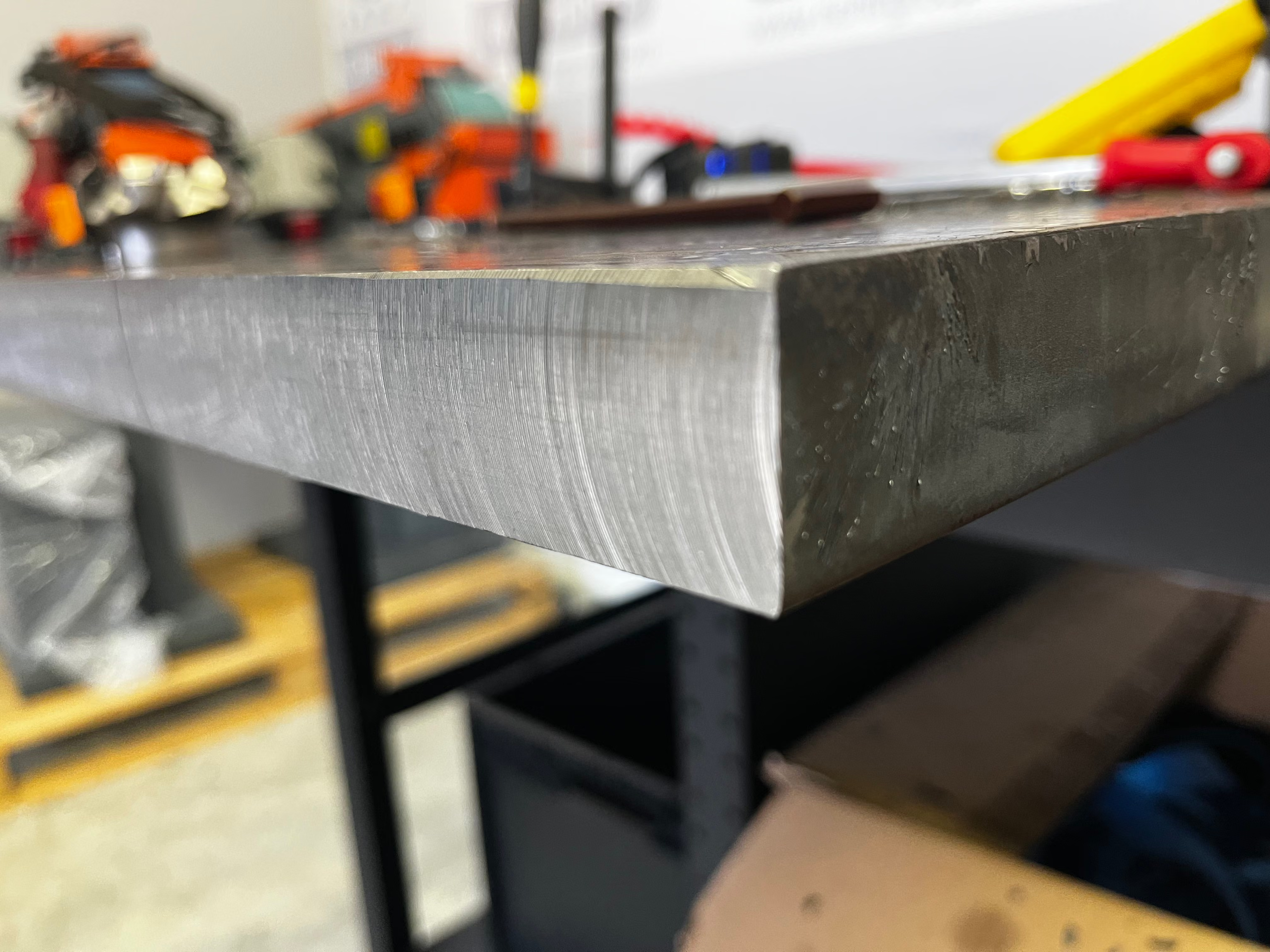
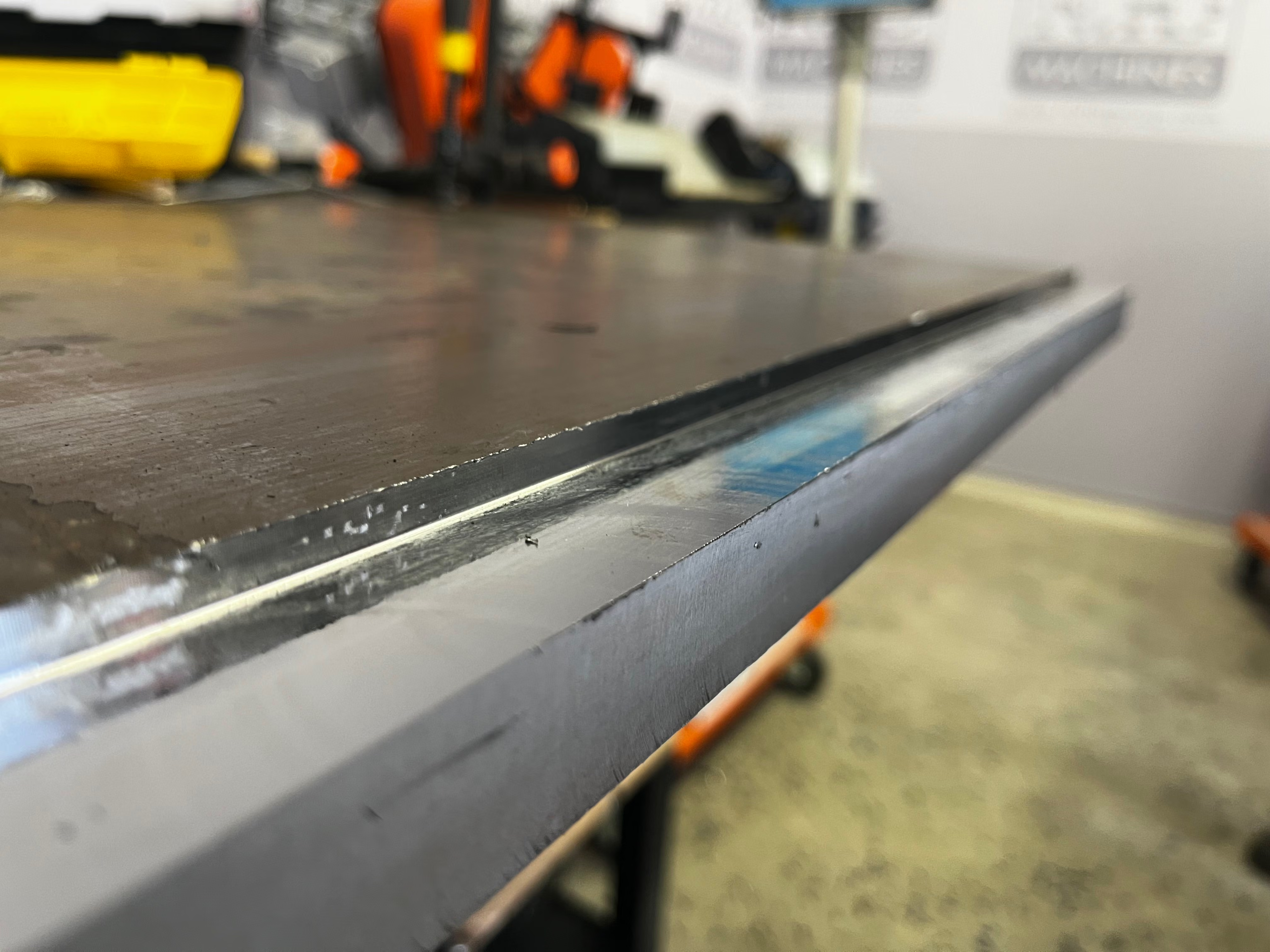
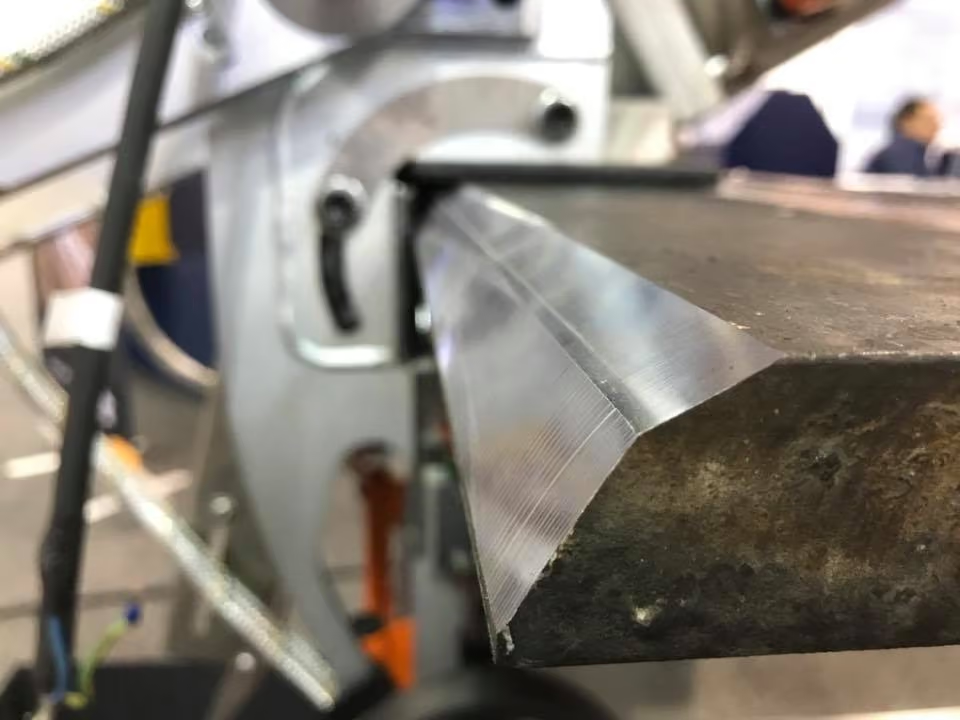
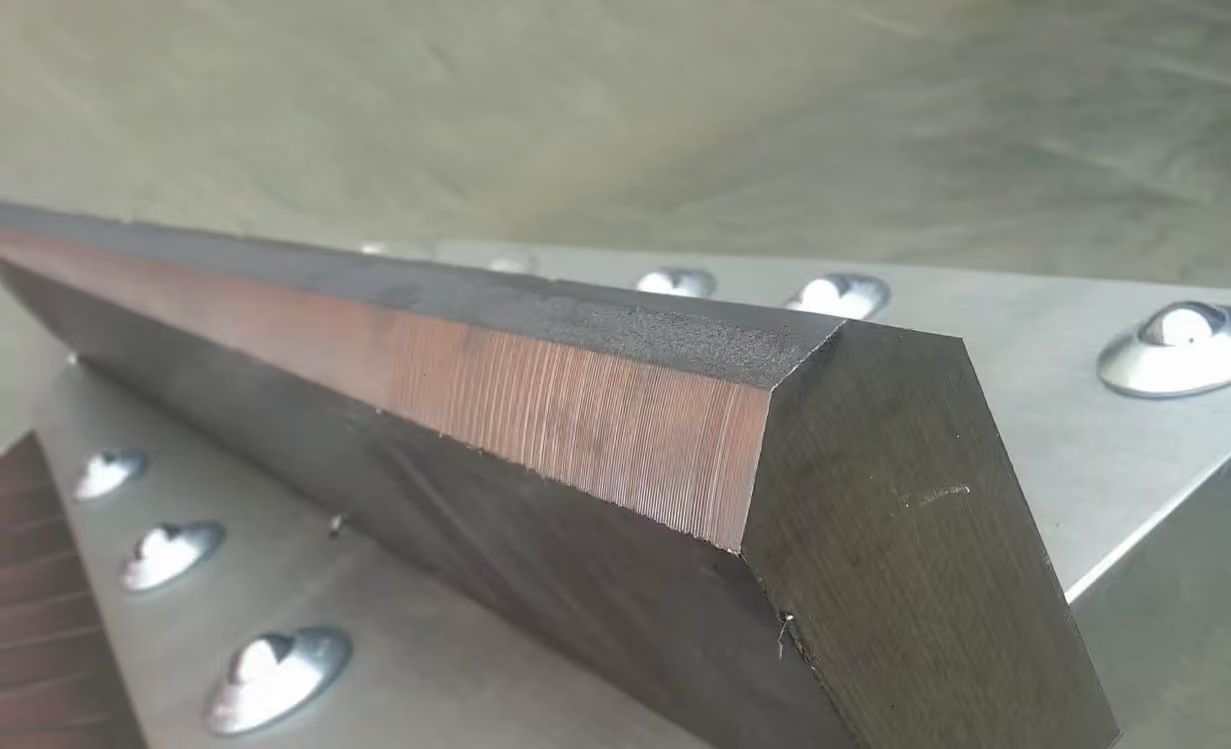
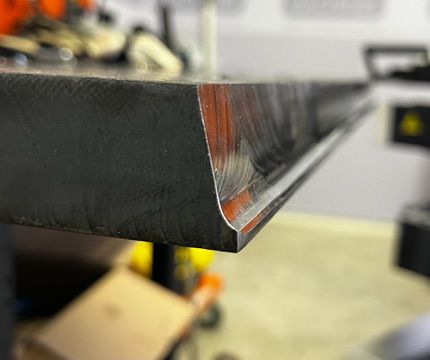
V-bevel is one of the most common methods of preparing plate edges before welding. A defined bevel angle is machined on one or both edges, creating the required groove for a strong and reliable welded joint.
The technology is widely used for medium and thick plates, particularly where full penetration and high weld quality are required. The bevel geometry can be adapted to the material thickness, welding process and required weld properties.

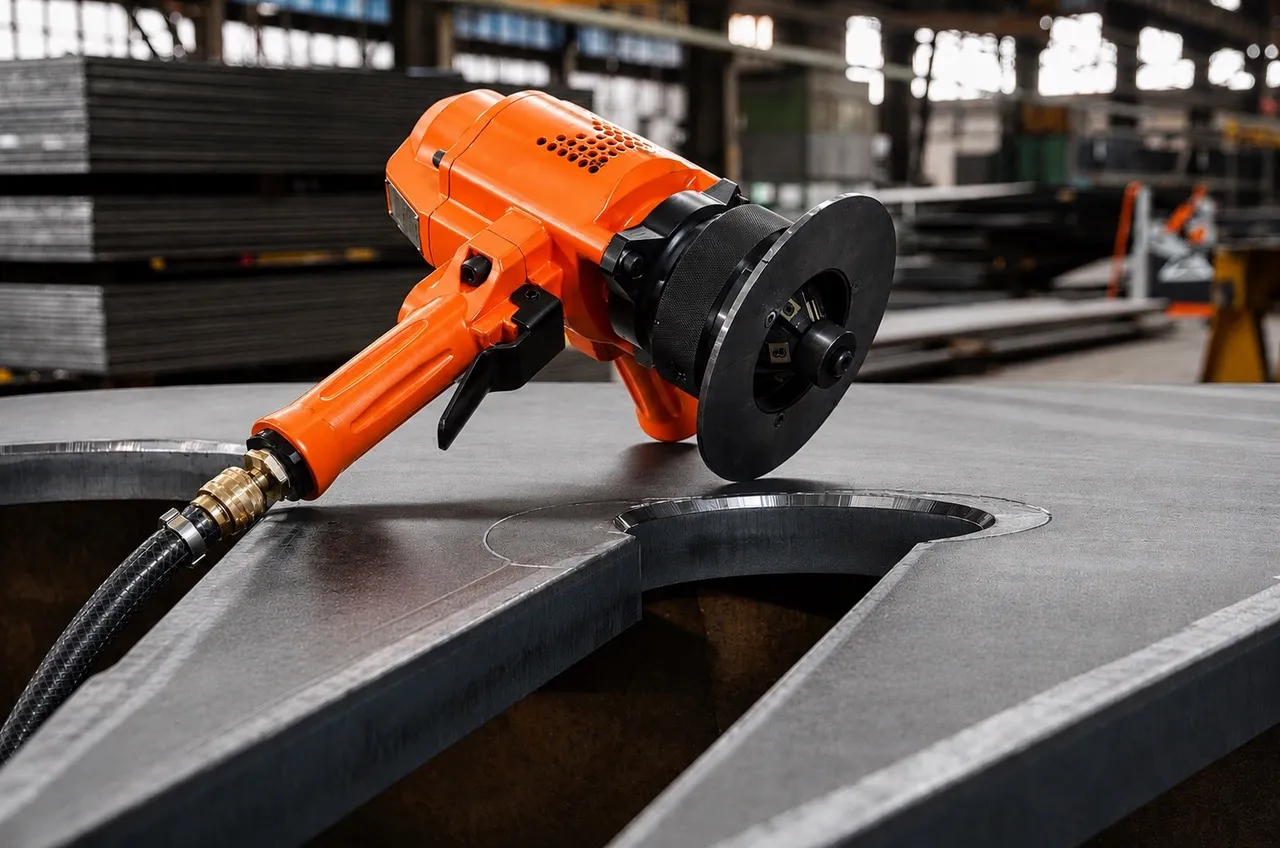
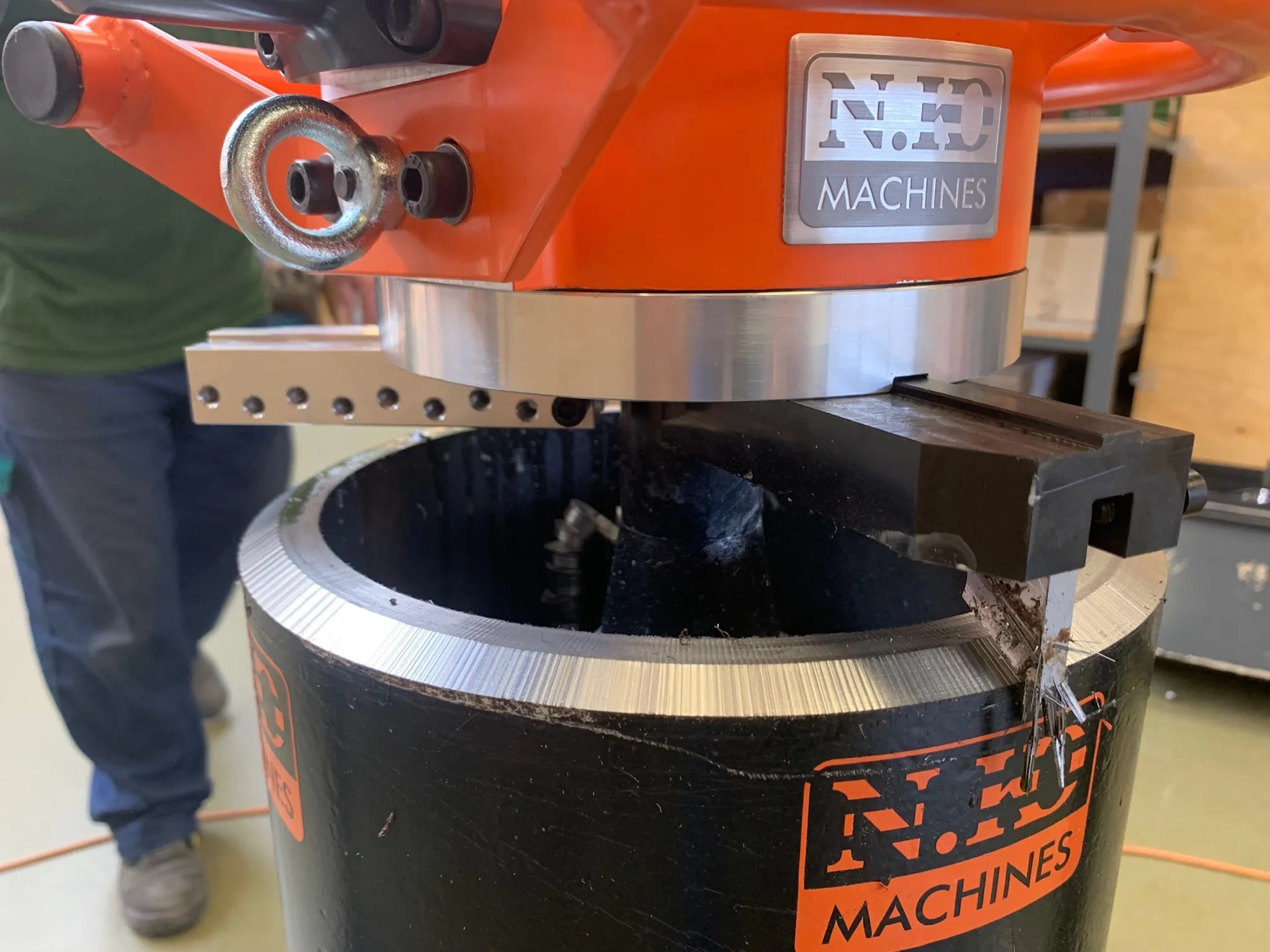
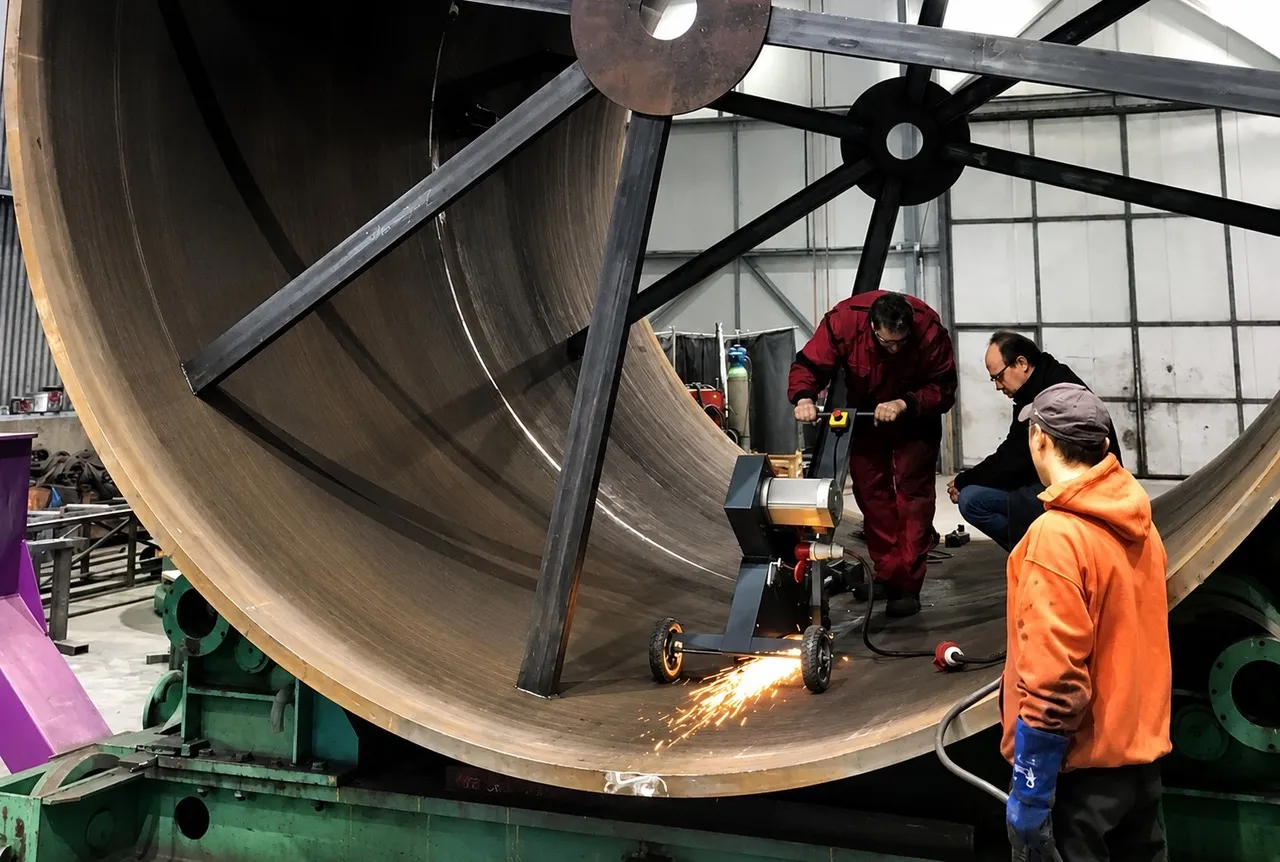
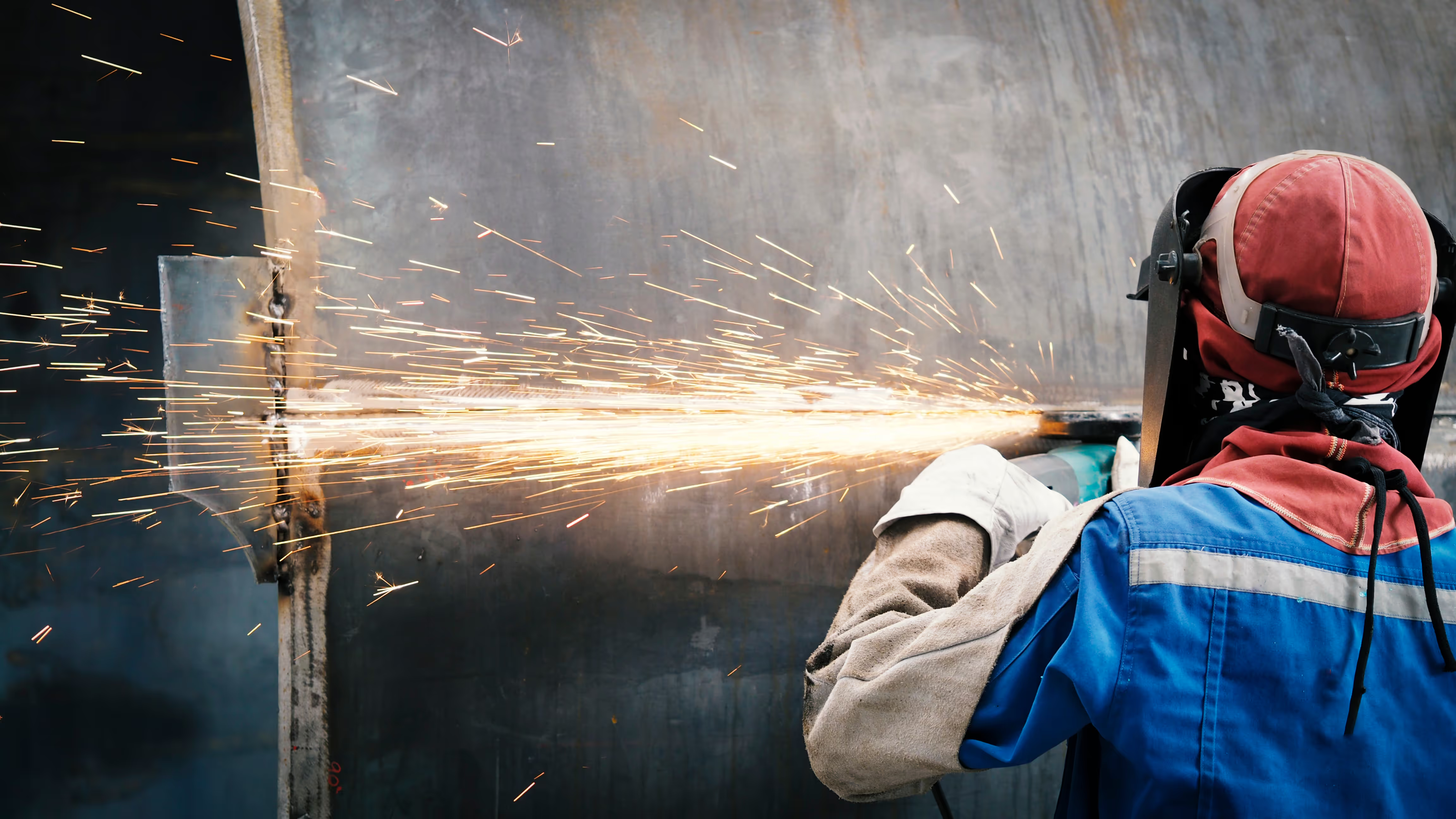
Mechanical machining with N.KO Machines provides precise and repeatable bevel geometry, while reducing the need for manual grinding. Compared with thermal cutting followed by manual edge preparation, mechanized beveling provides consistent quality and significantly higher productivity.
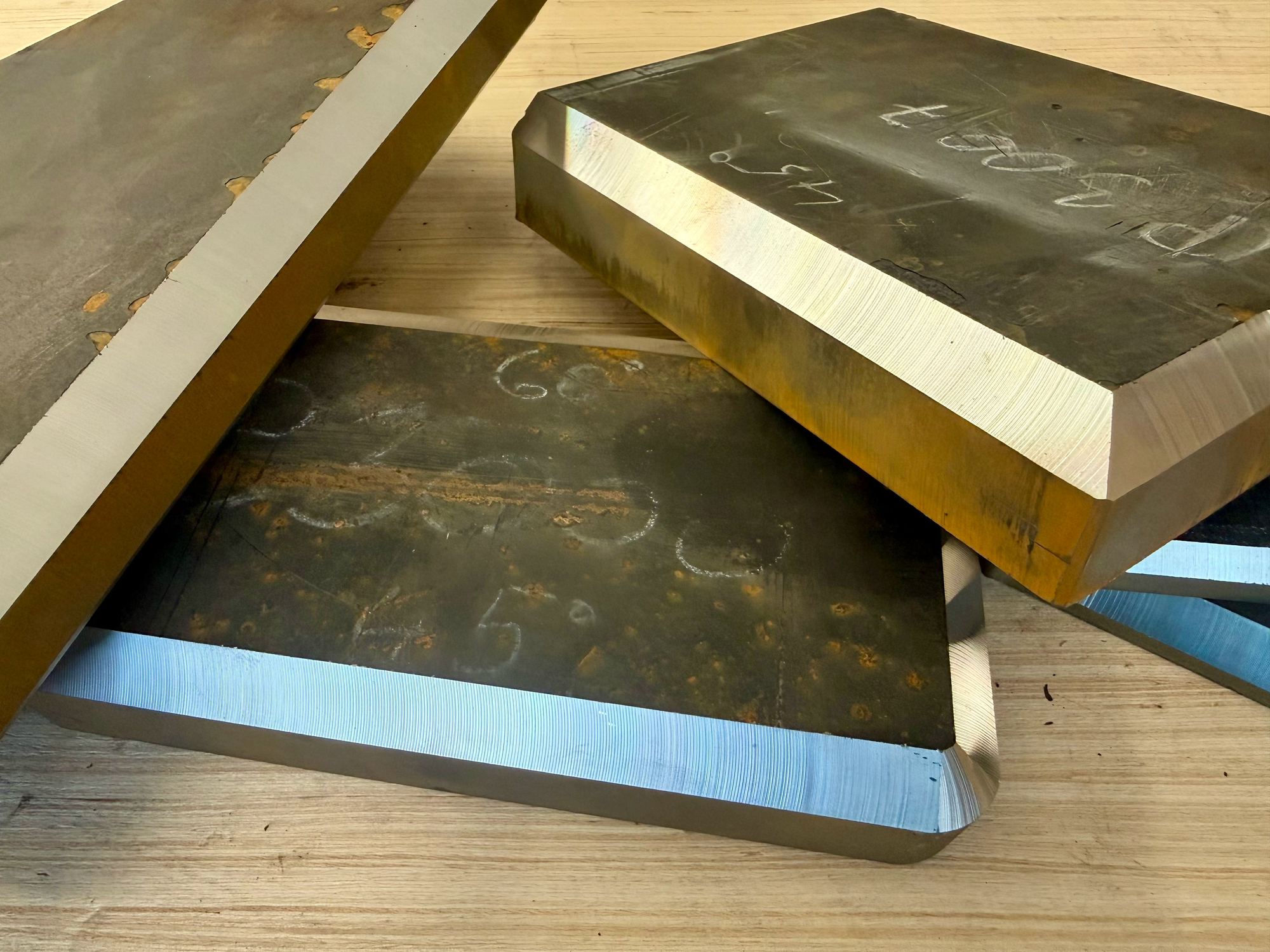
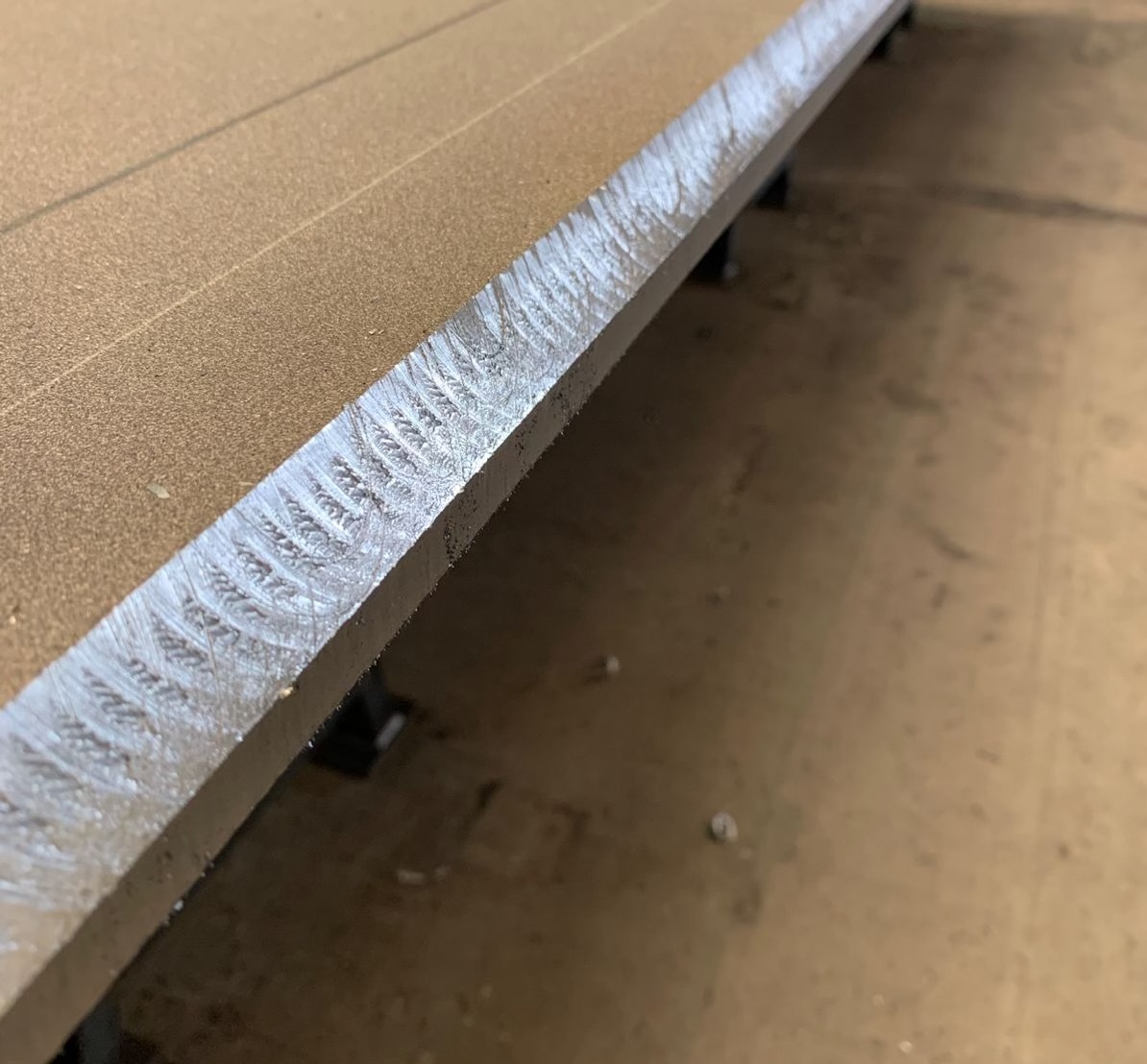
The main economic benefits are reduced preparation time, lower labor requirements and consistent weld quality. Precise bevel geometry can also help optimize filler material consumption and welding time, particularly when processing large volumes of thick plate and long weld seams.