
English
Inquire
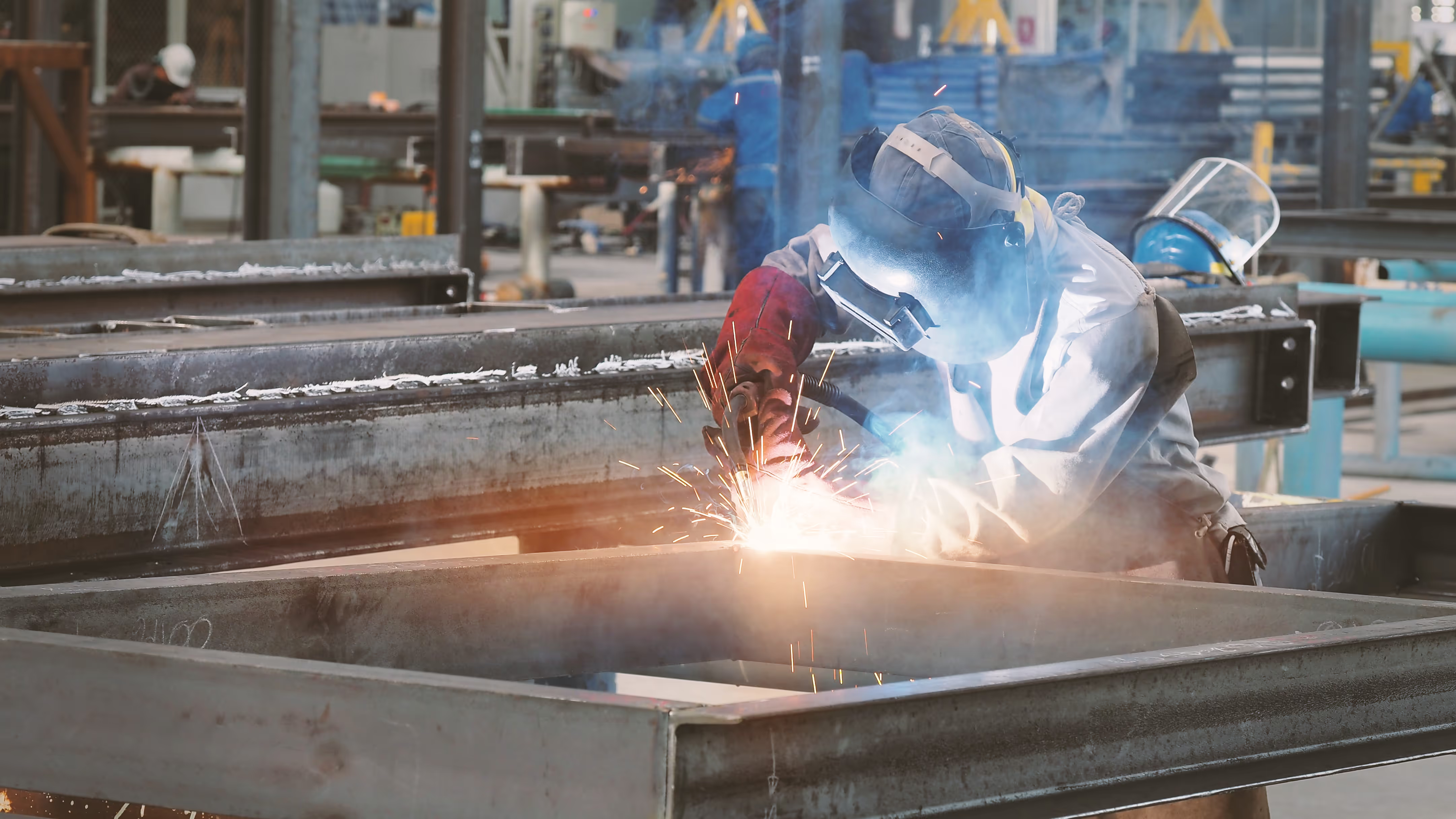
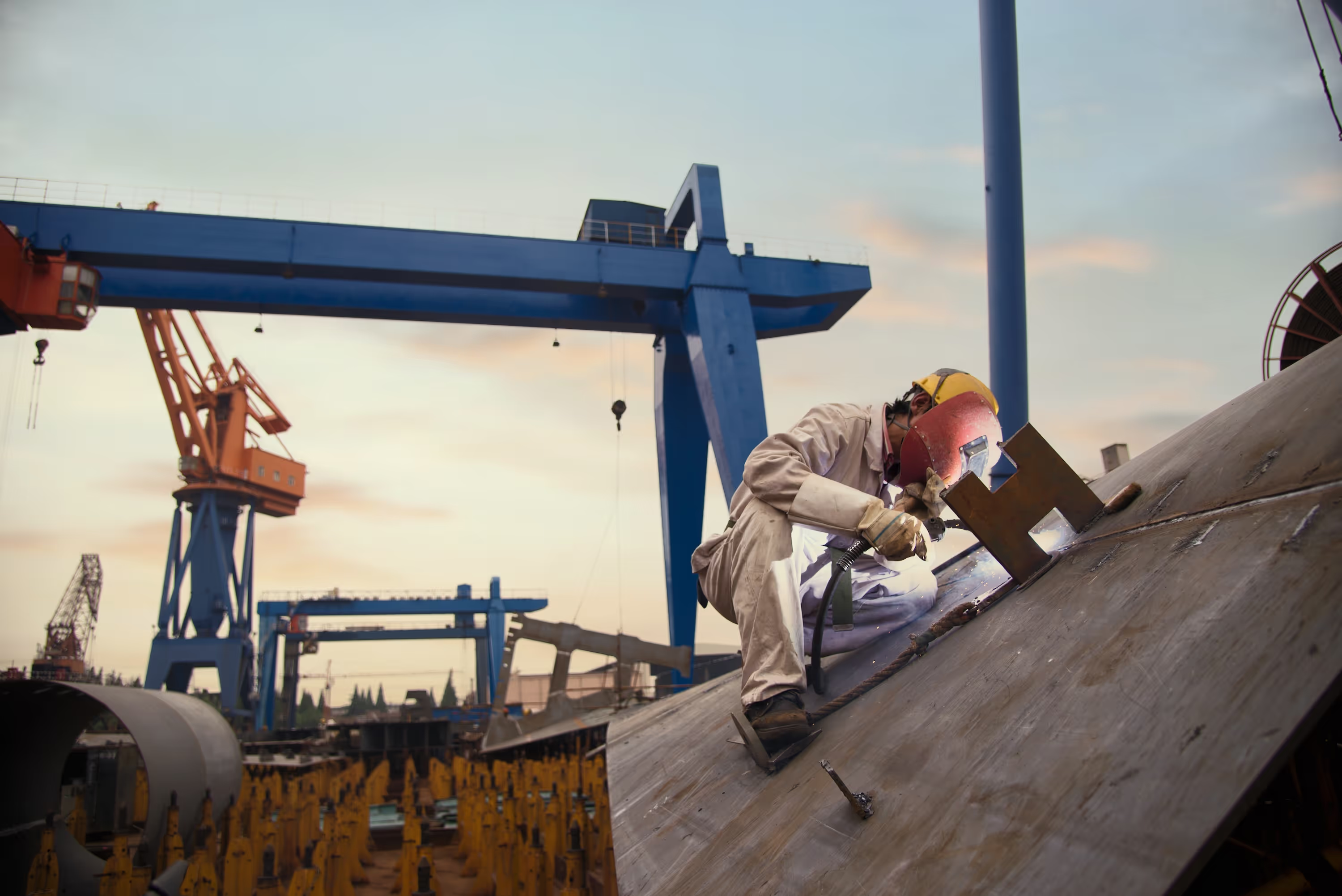
Companies producing or assembling steel structures invest heavily in welding technologies.
Much less attention is often given to what comes before welding: the preparation of weld edges. Yet this is exactly where major gains in quality, productivity and cost efficiency can be achieved. Steel halls, bridges, industrial platforms or crane runways all depend on the reliability of welds.
And weld reliability starts with how well the edges are prepared. The bevel geometry, surface quality and consistency of the joint. Companies that replace manual grinding or flame cutting with beveling machines build a clear competitive advantage in quality, cost, speed and compliance.

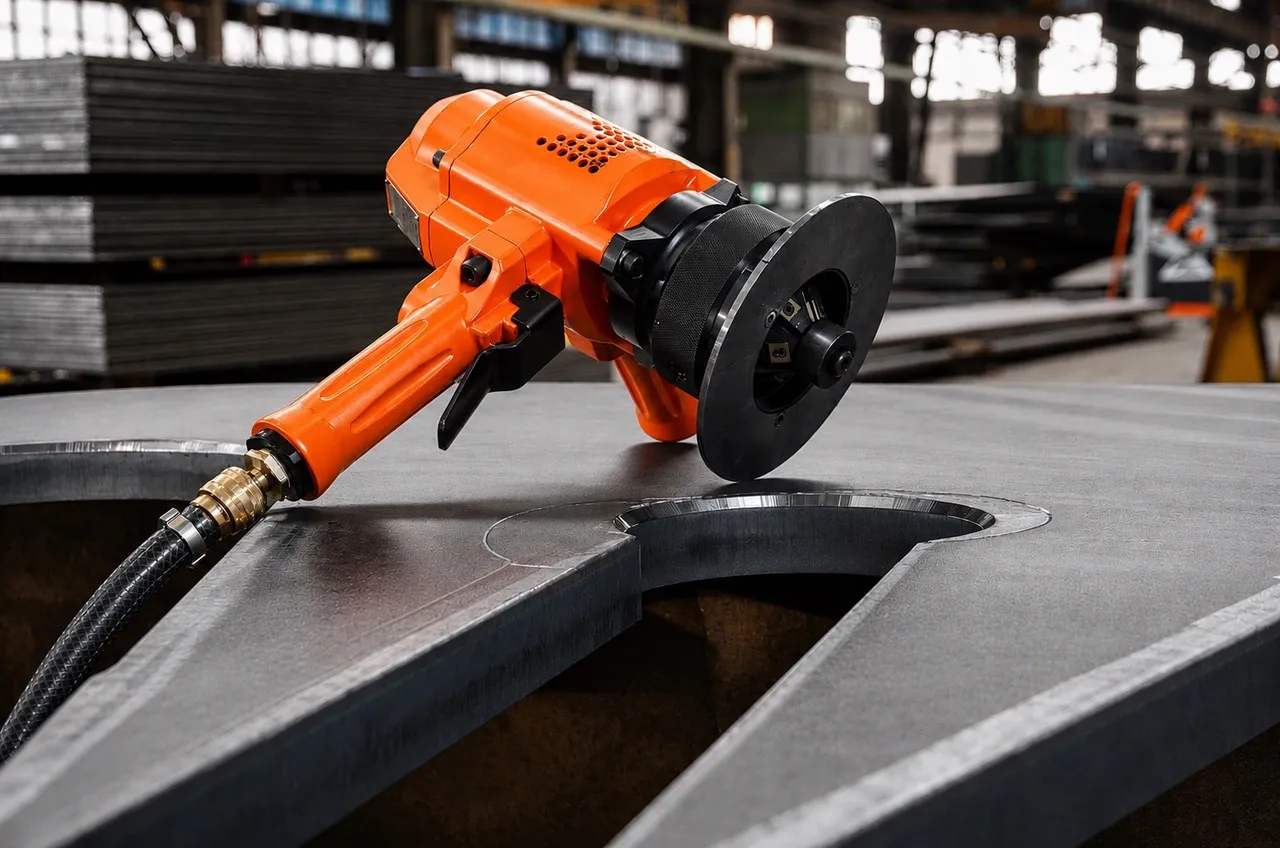
Replacing manual preparation with machining unlocks measurable gains across the entire fabrication workflow.
Steel fabrication is a highly competitive industry.
Customers — from general contractors to energy companies and industrial manufacturers — evaluate suppliers not only by price, but increasingly by proven quality and certifications.
Standards such as EN 1090 or ISO 3834 are no longer optional — they are expected.
In this environment, every improvement in process stability matters.
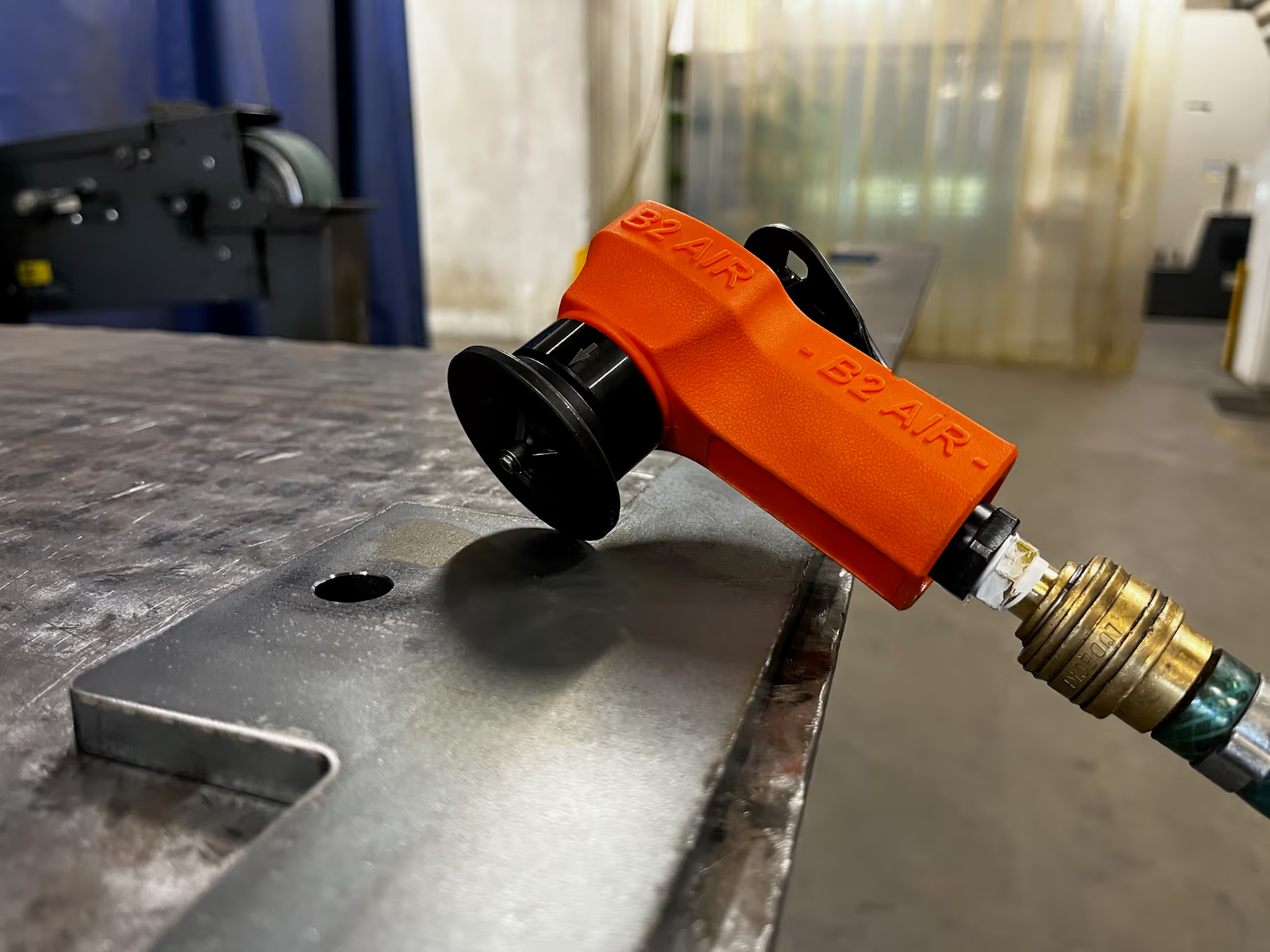
Using beveling machines for weld preparation — especially for plate beveling and edge machining — delivers measurable results:

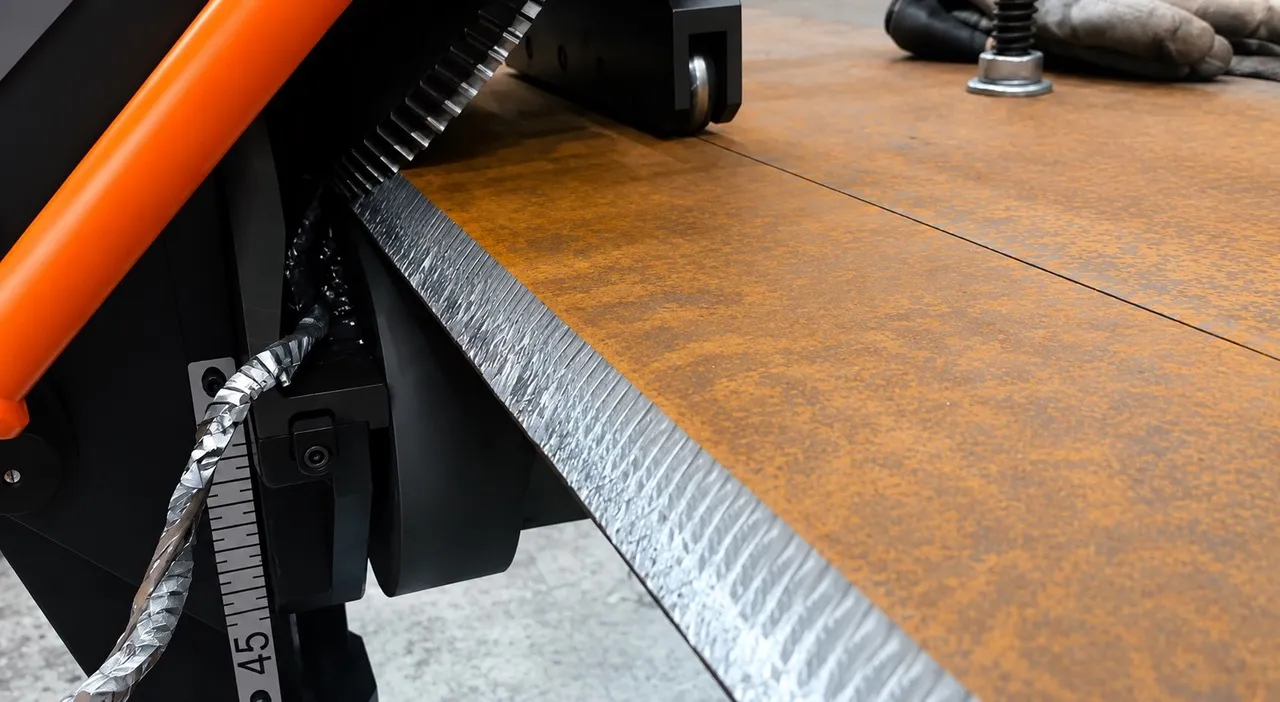
Machining bevels is several times faster than manual grinding.
In serial production of beams, welded frames or structural parts, this translates into hours saved every week. Shorter preparation time improves production flow and increases capacity — without adding more workers.
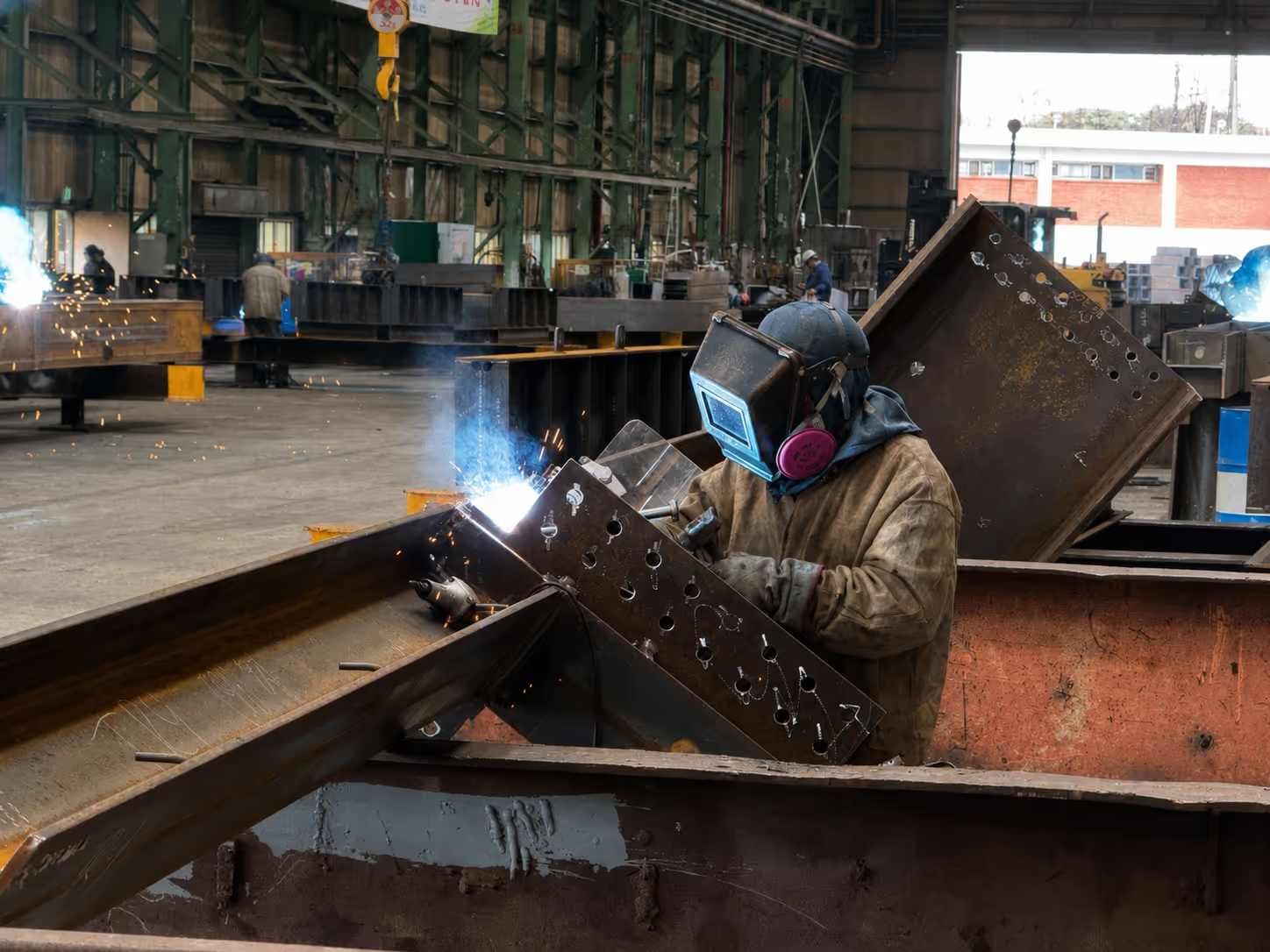
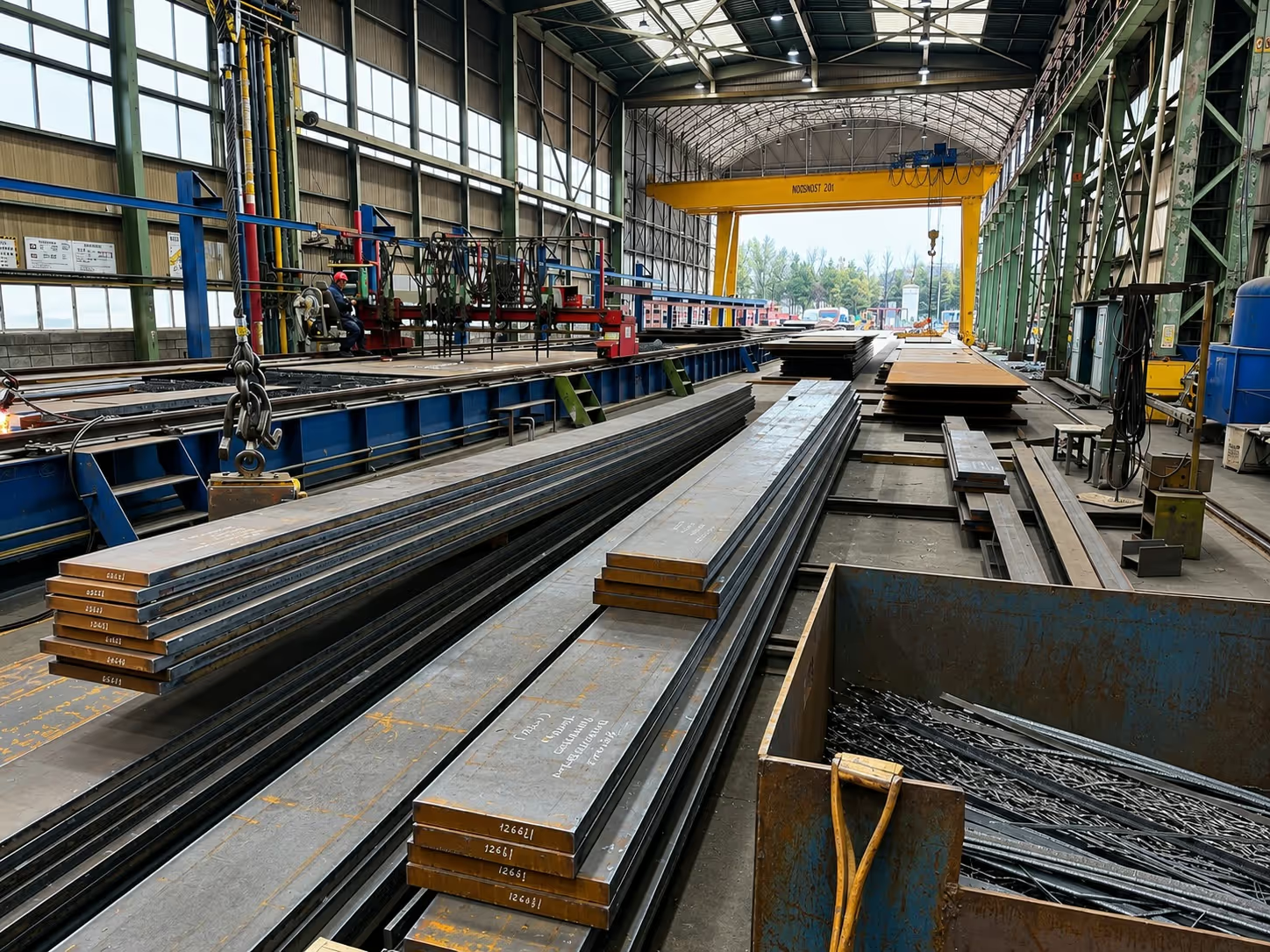
A large share of welding defects originates in poor edge preparation.
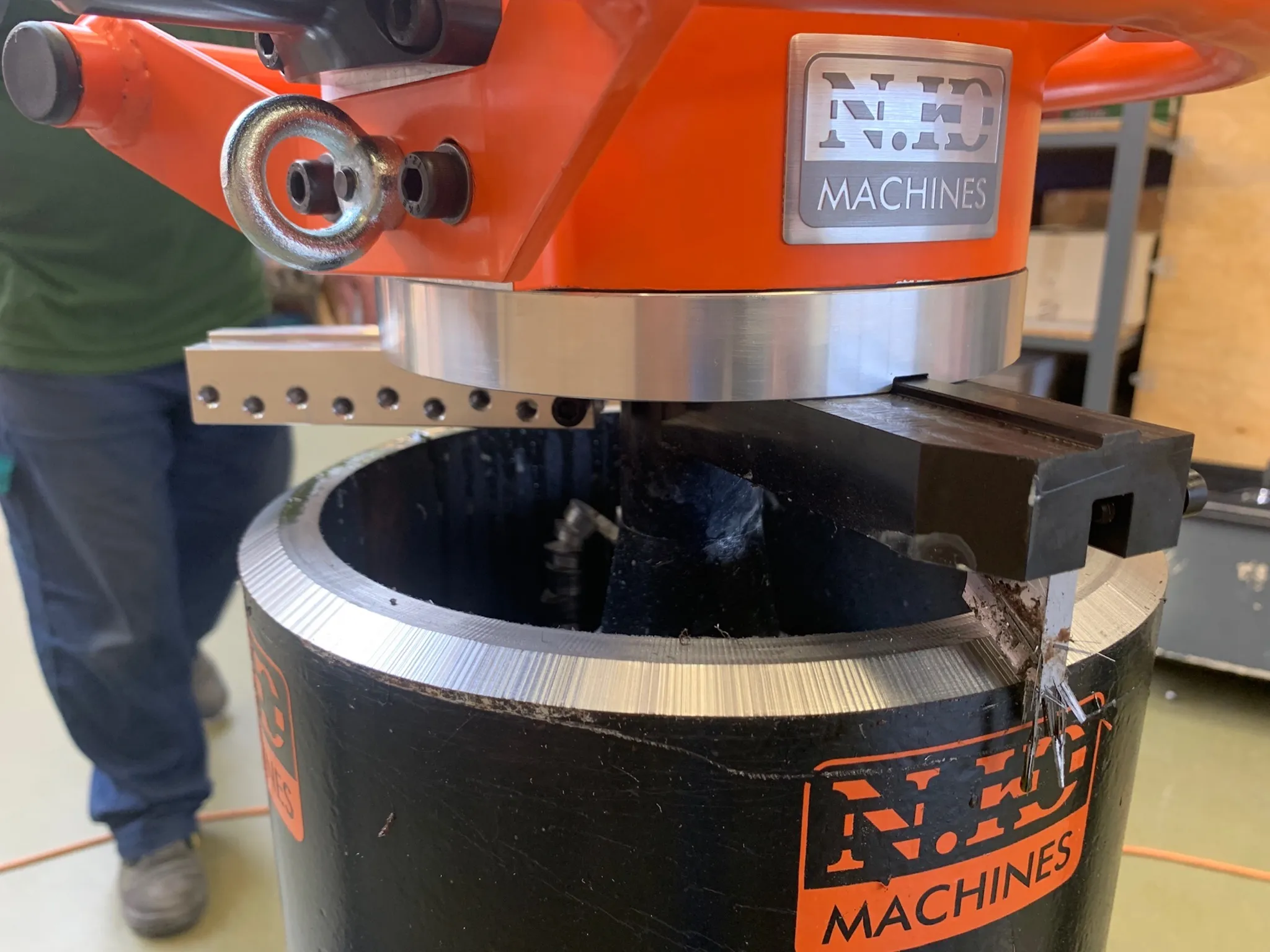
Inconsistent bevel geometry or oxidized surfaces lead to weld issues and failed inspections.Machining removes surface layers, ensures clean metal and creates precise groove geometry. The result is fewer defects detected during NDT inspections, less rework and lower scrap rates.
Standards such as EN 1090-2, EN ISO 9692 or AWS D1.1 define strict requirements for weld preparation. Machined bevels meet these requirements consistently and repeatably — without depending on operator skill. This simplifies certification, audits and welding procedure documentation (WPS).
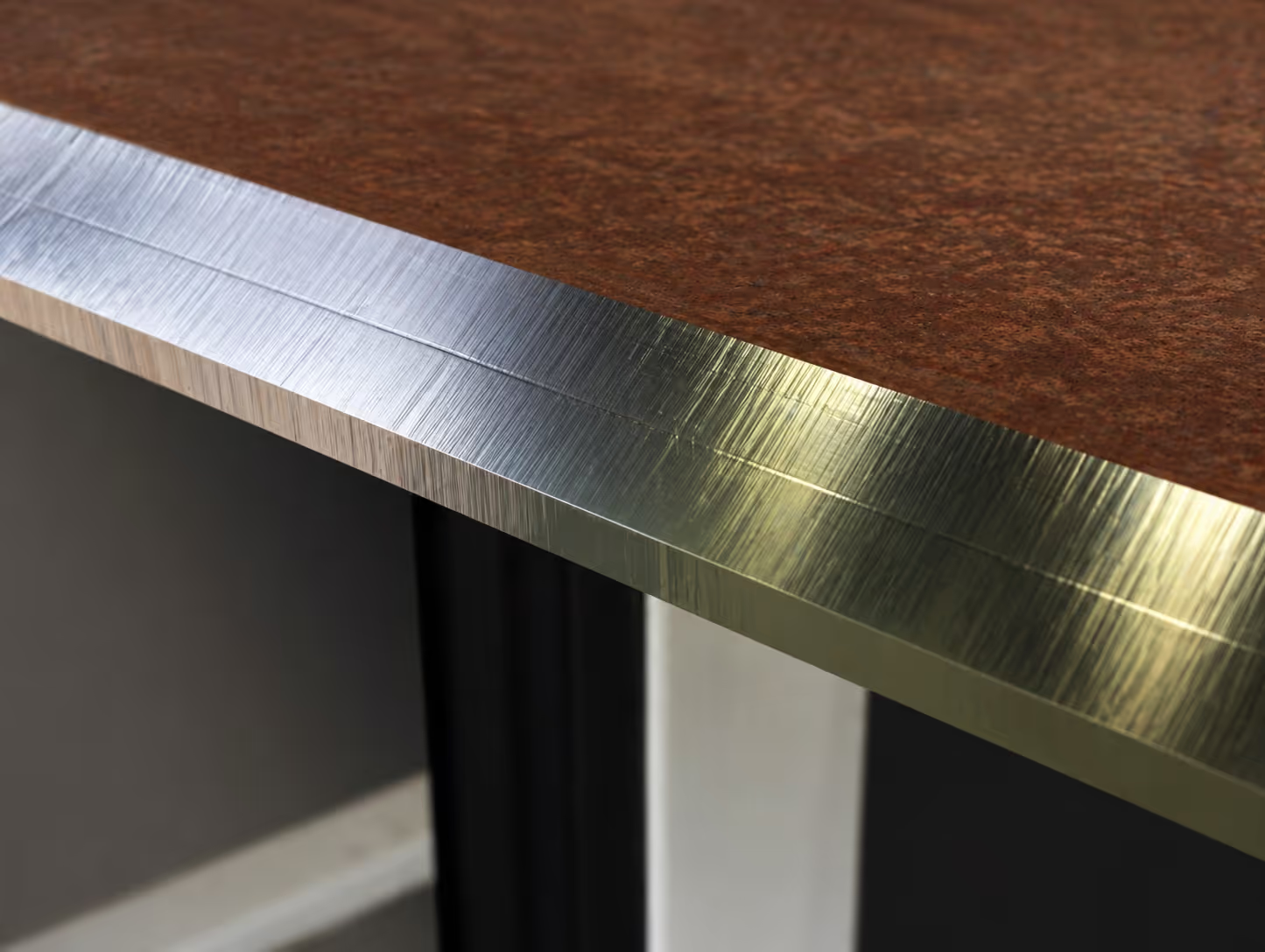

Automated and robotic welding systems require consistent and repeatable joint geometry.
Manual preparation cannot guarantee this level of precision. Machining provides the consistency needed for automation — and is often the first step towards robotic welding.
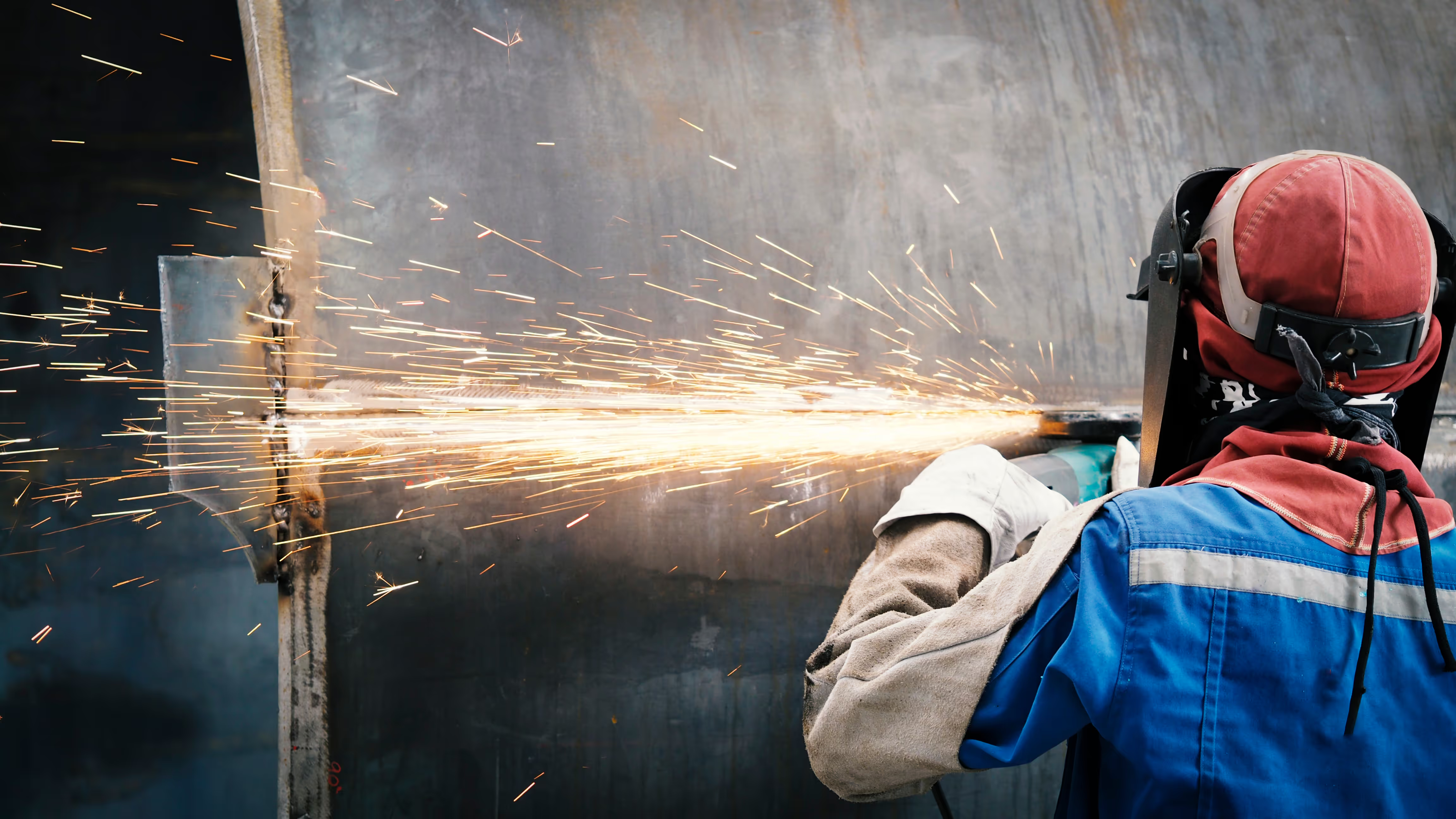
Manual grinding is time-consuming, physically demanding, noisy and dusty.
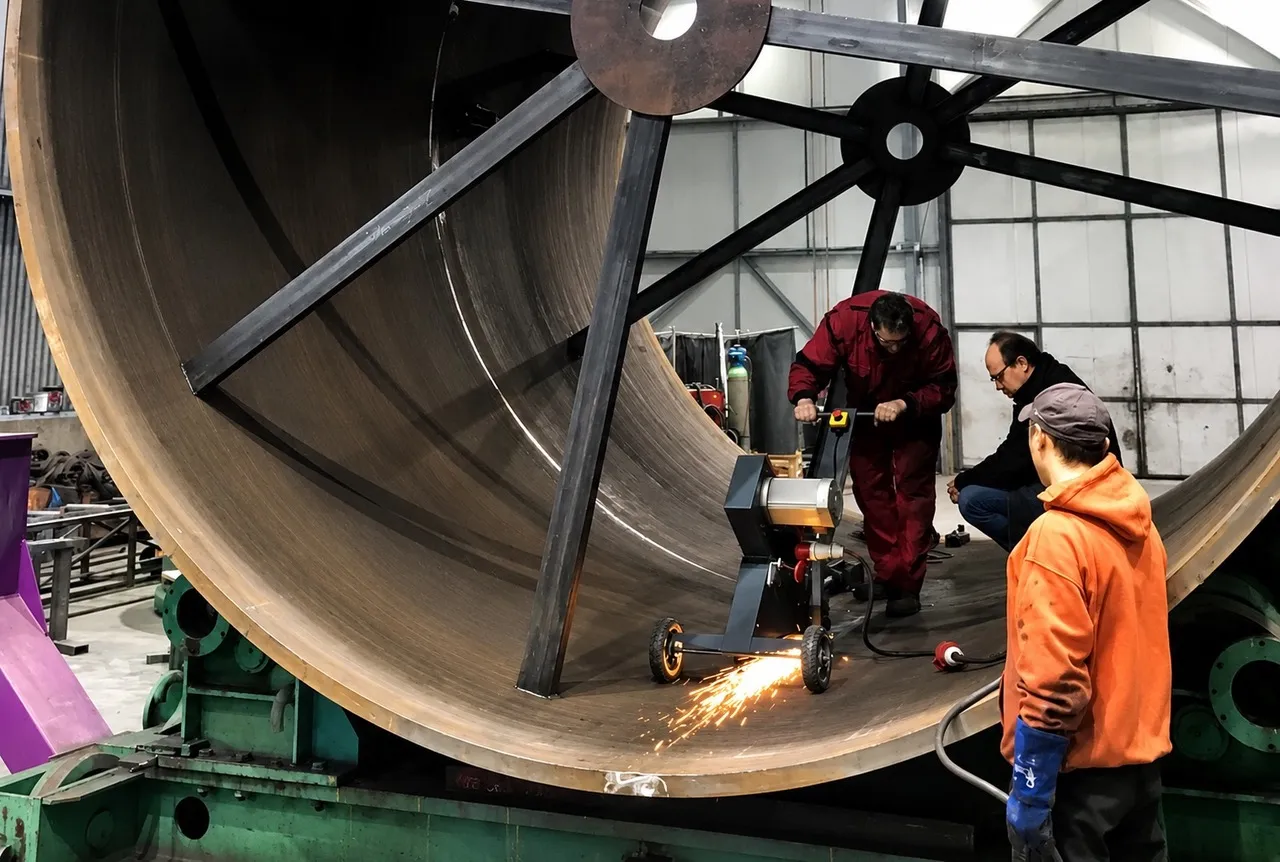
Machined solutions significantly reduce operator strain and improve workplace safety.They also allow skilled workers to focus on higher-value tasks — which is critical in a market with limited qualified labor.
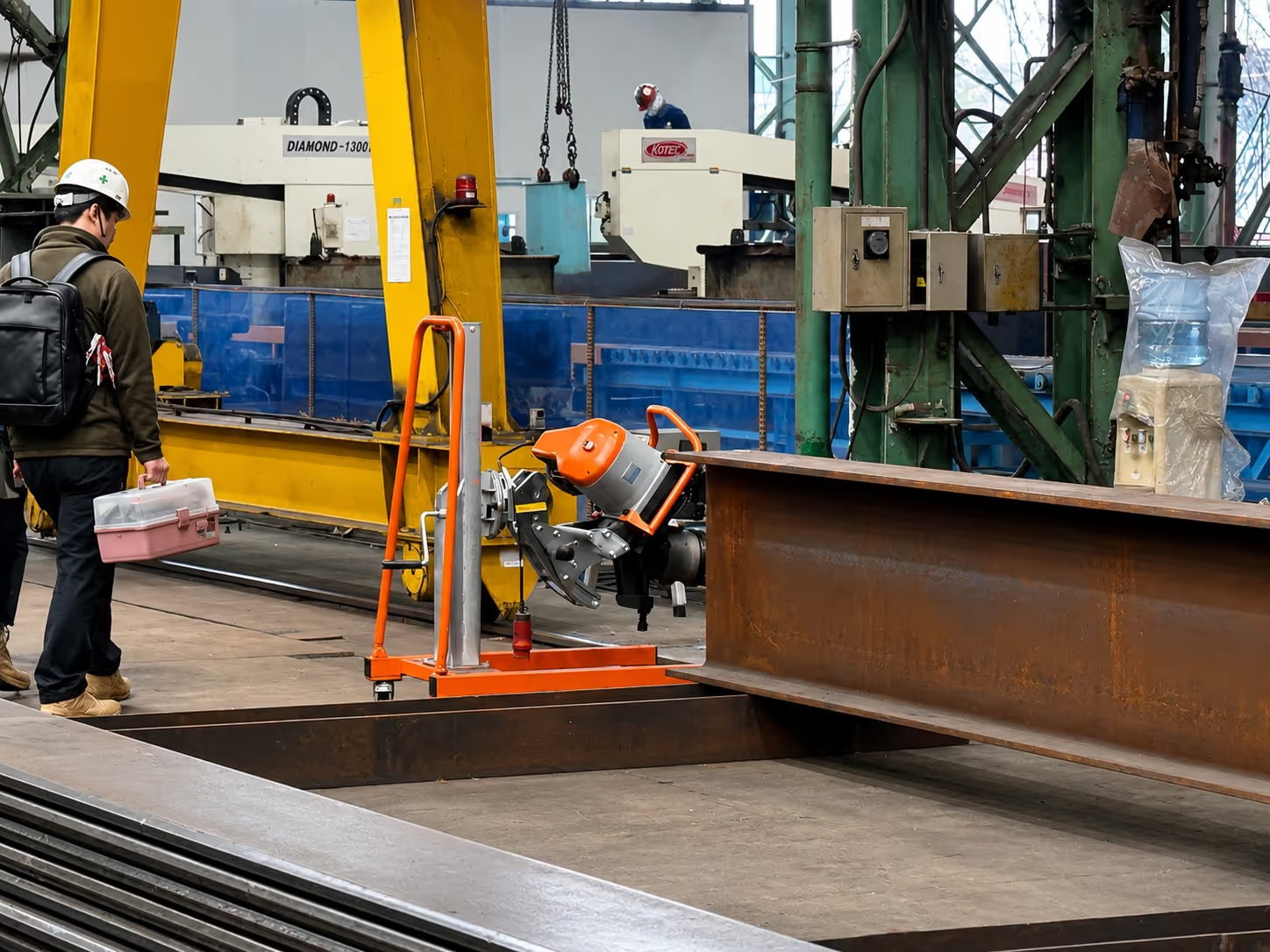
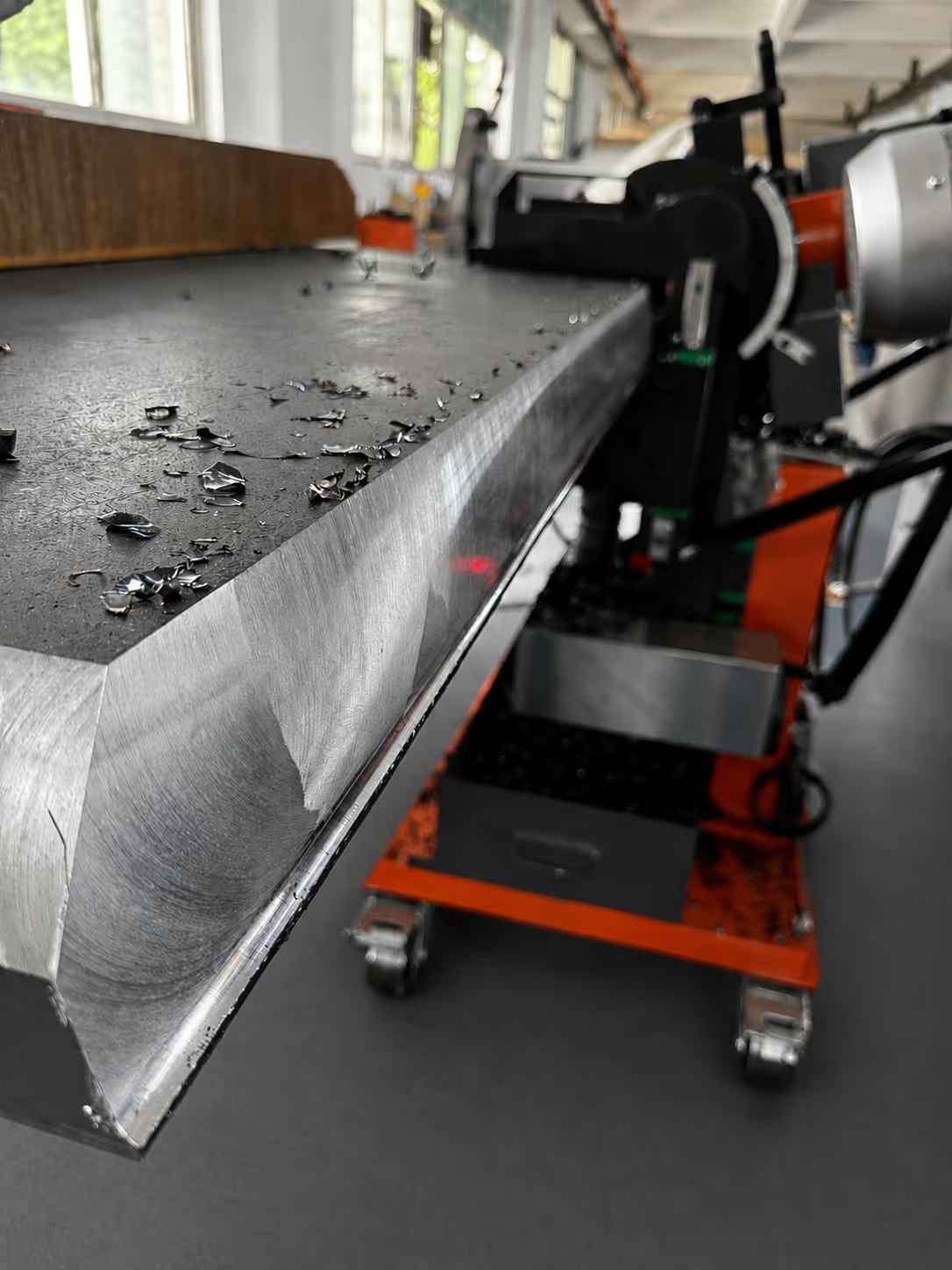
Precise bevel geometry means a controlled weld volume. Irregular or oversized grooves — common with manual preparation — increase filler material consumption, extend welding time and raise heat input.
Machining helps systematically reduce these costs.
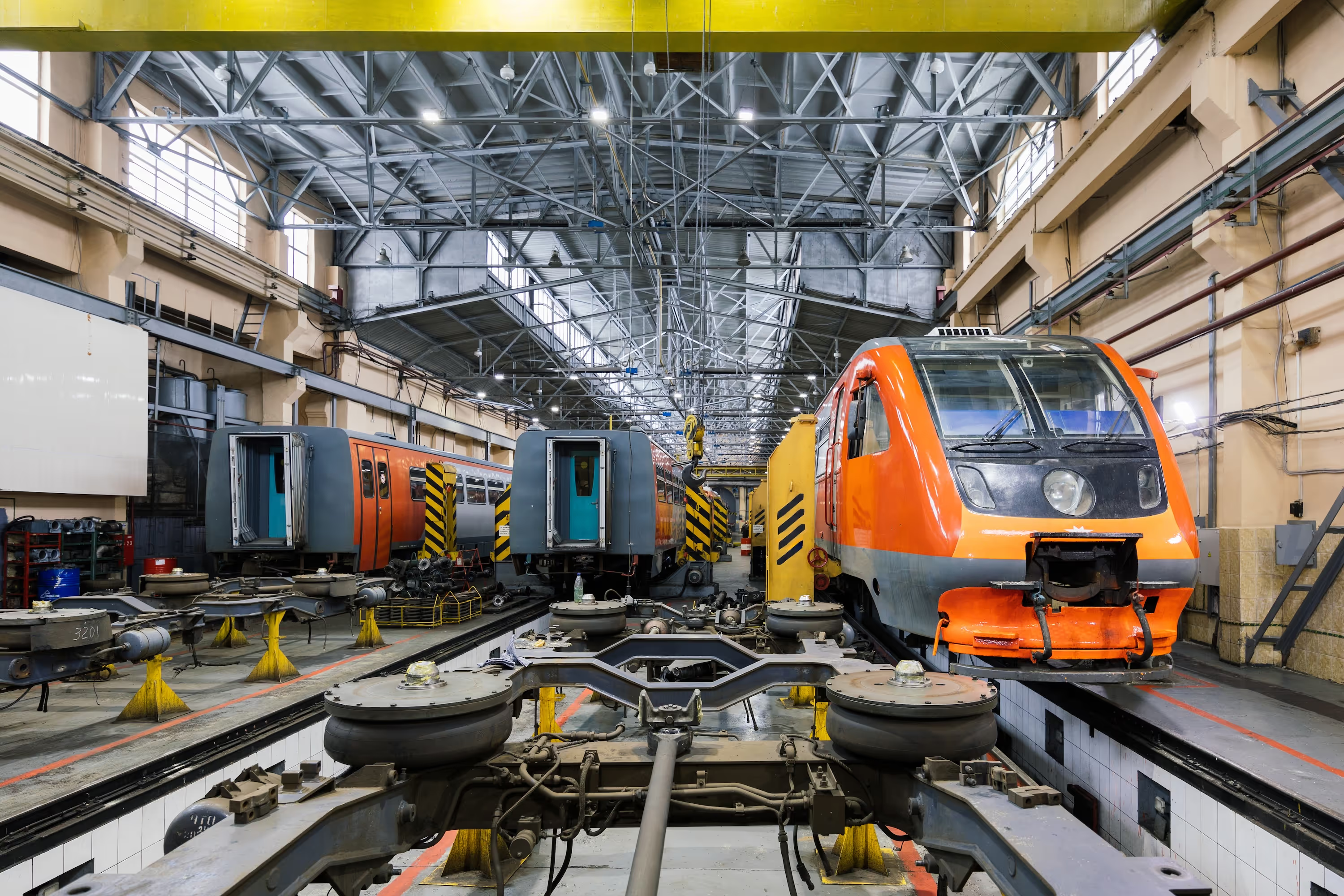
They all share the same challenges: strict quality requirements, tight deadlines and cost pressure — and the need for a reliable, repeatable production process.

.avif)