





Beveling applications for every stage of edge preparation
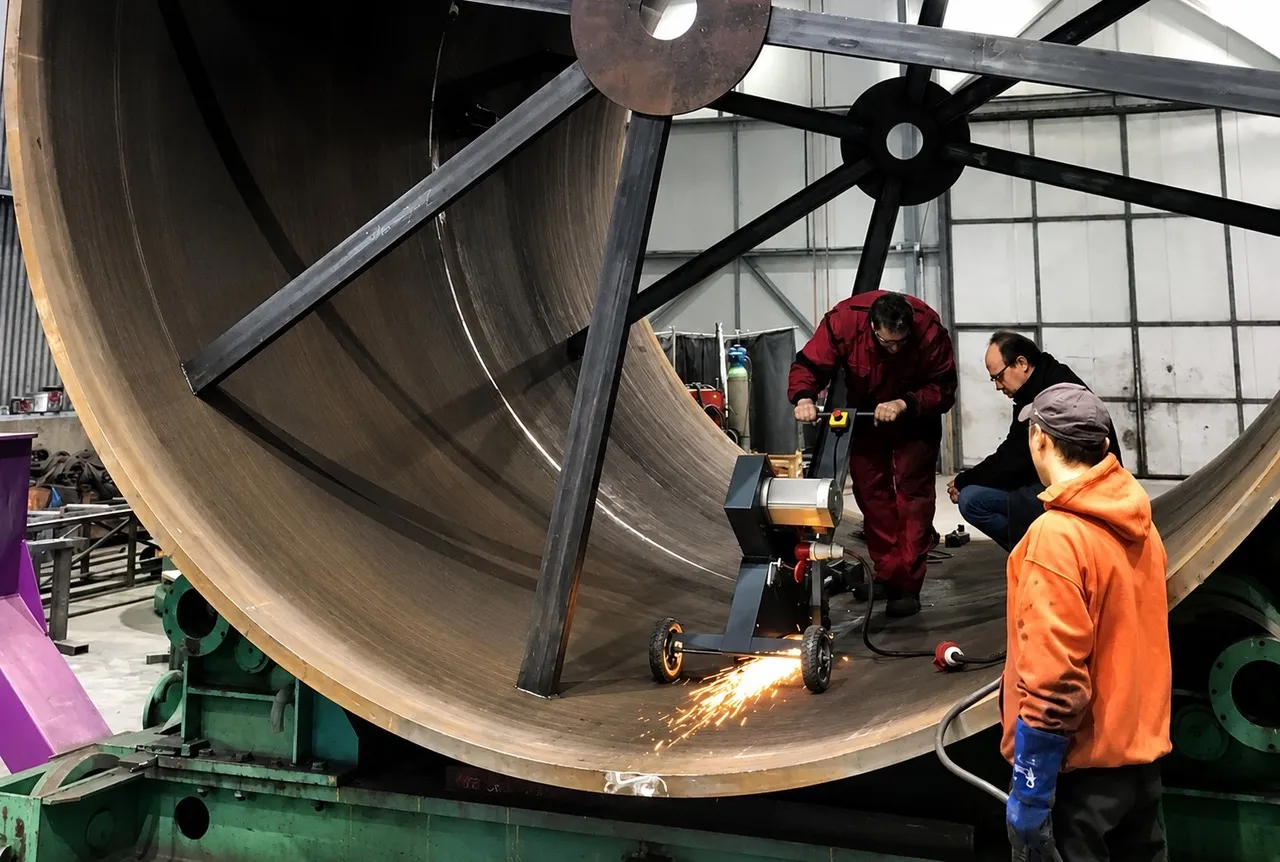
Different production tasks require different approaches. Whether you need to prepare weld edges, round sharp corners for coating, or machine long straight edges with consistent geometry, Beveler machines deliver precise, repeatable results across a wide range of applications.
Explore the most common beveling applications and discover the right solution for your production.
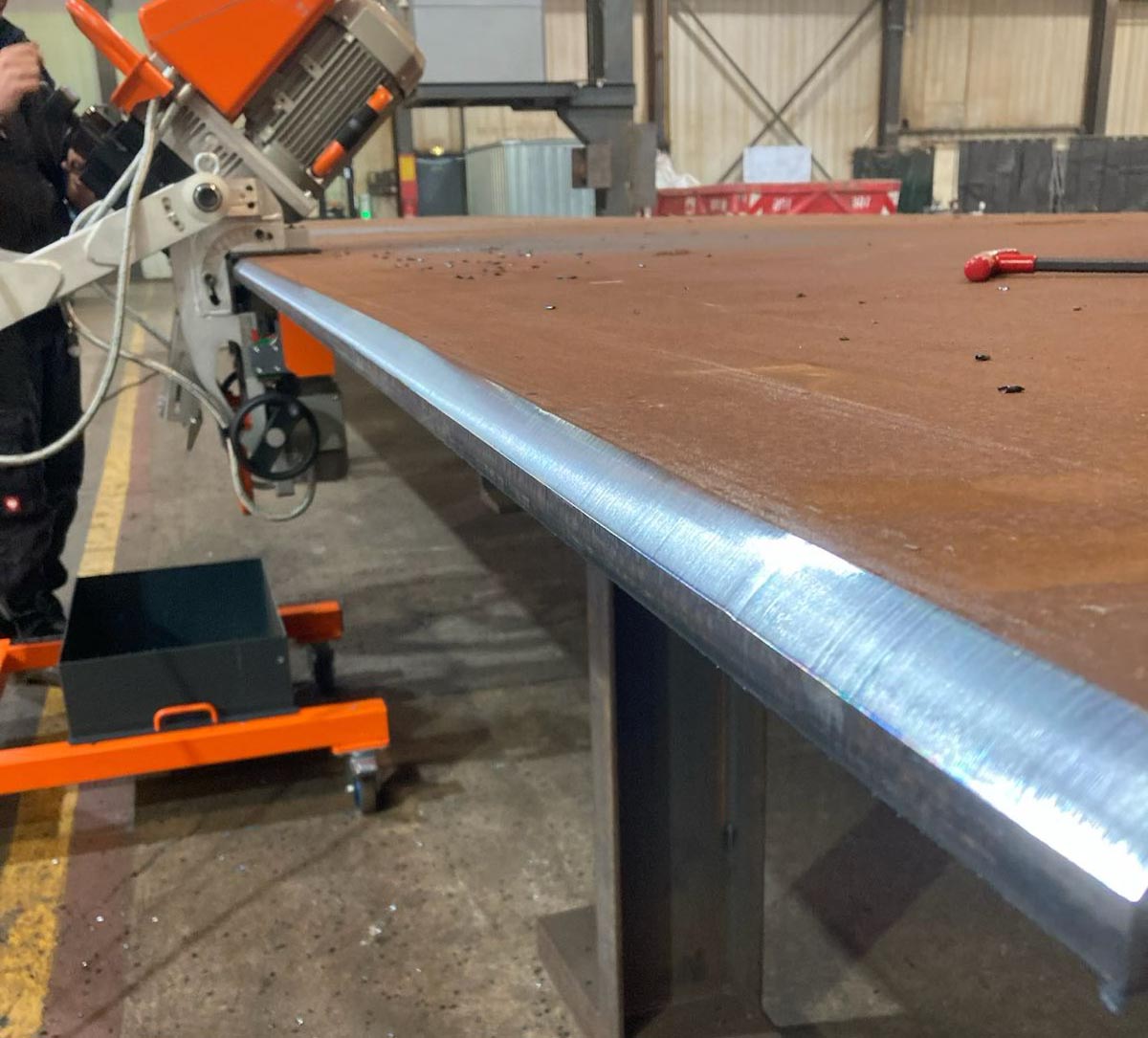
V-Bevel
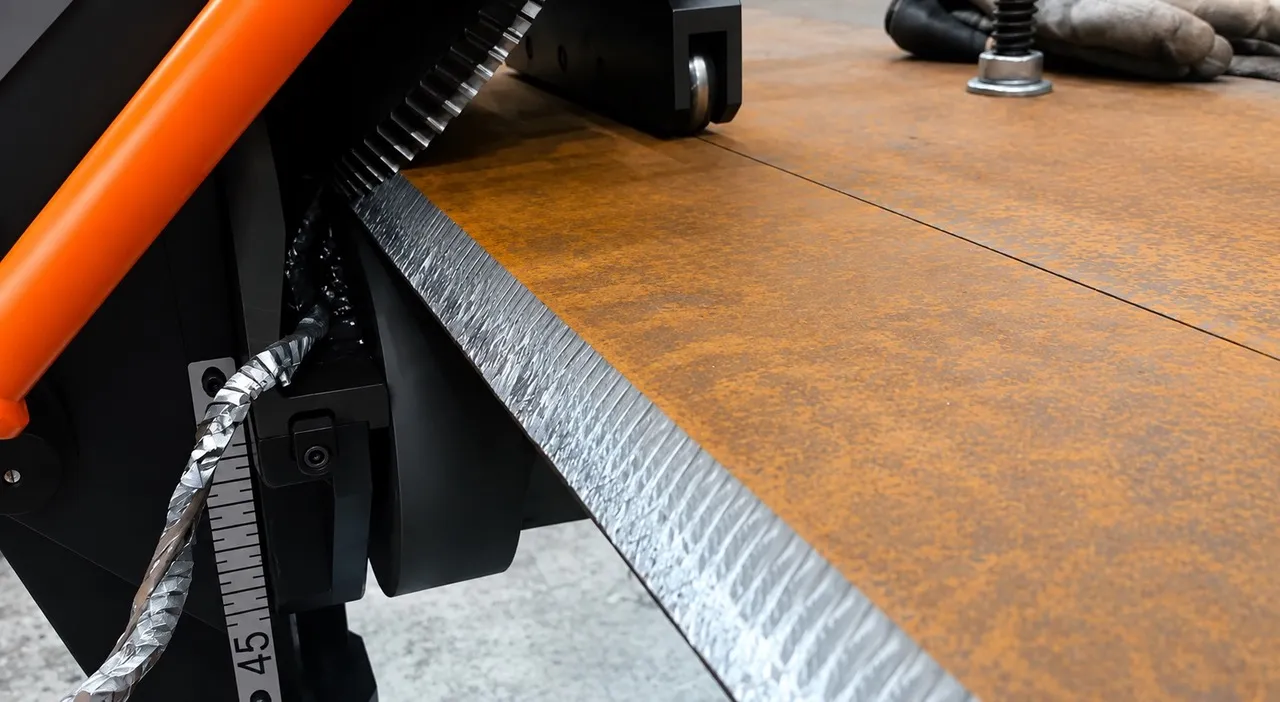
V-bevel is one of the most common methods of preparing plate edges before welding. A defined bevel angle is machined on one or both edges, creating the required groove for a strong and reliable welded joint.
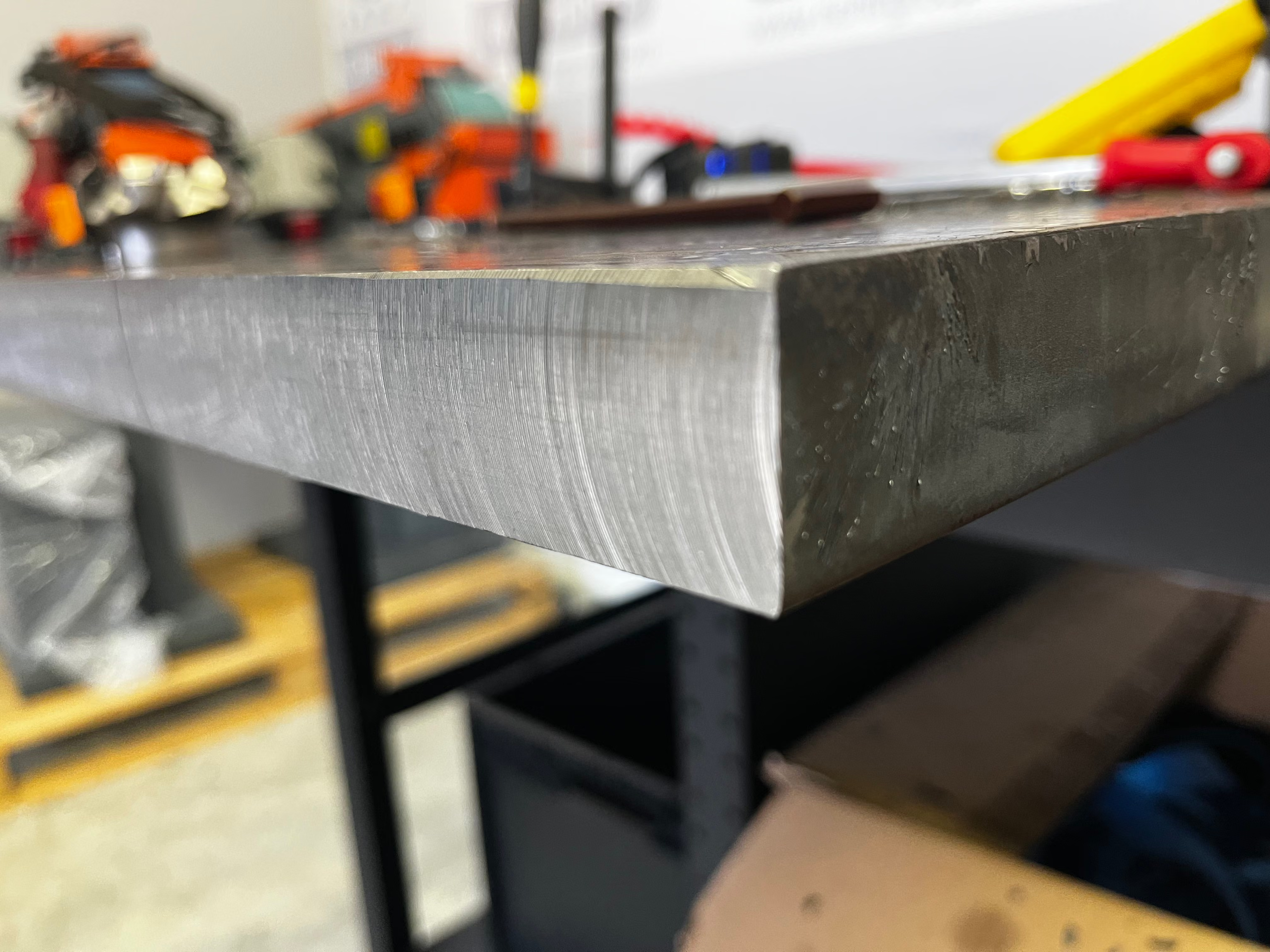
Facing
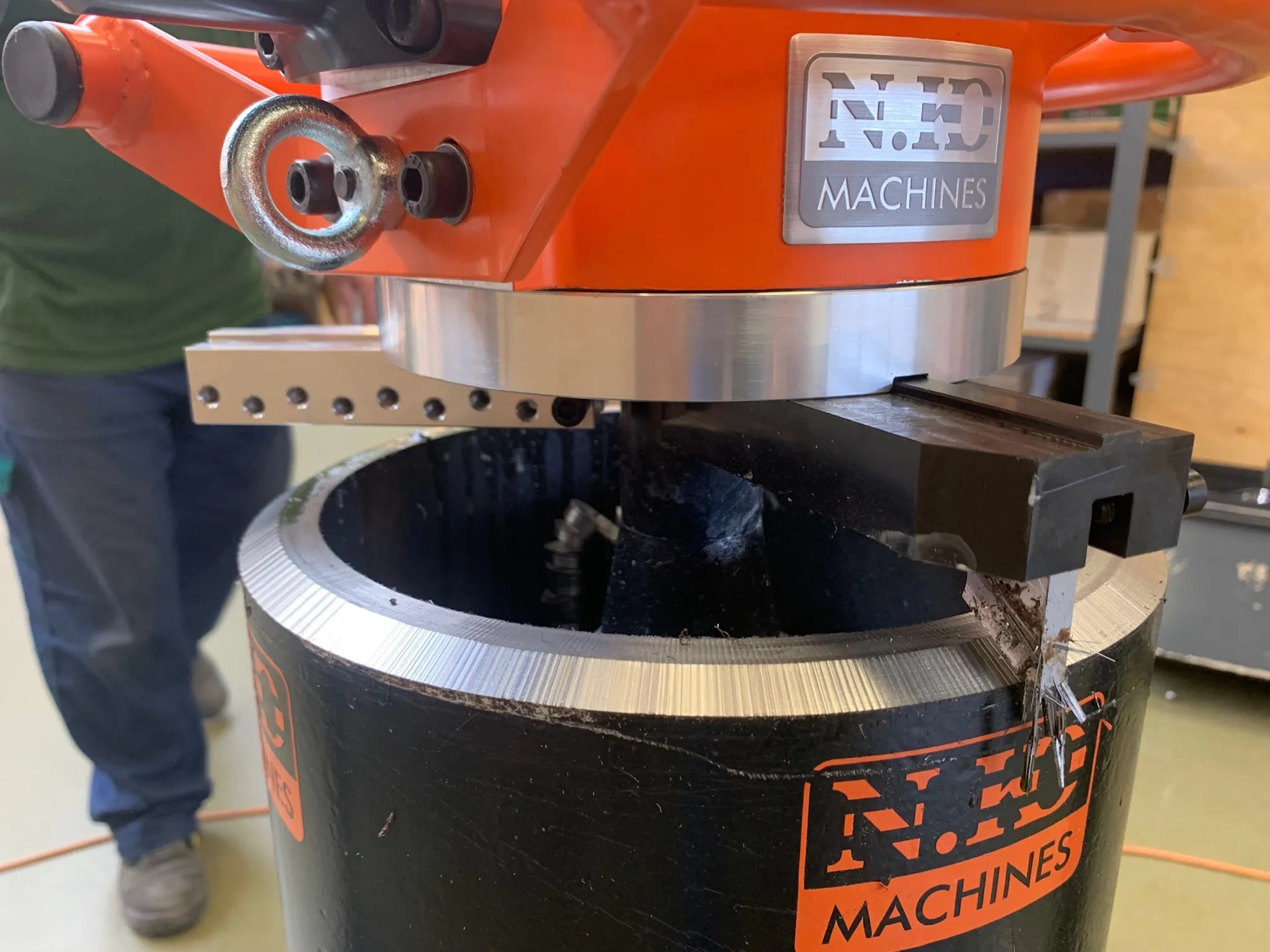
Mechanical machining process that removes a defined layer of material from the entire cut edge, creating a new, clean and geometrically precise surface. The technology is particularly suitable for preparing edges before welding, painting or other subsequent manufacturing operations.
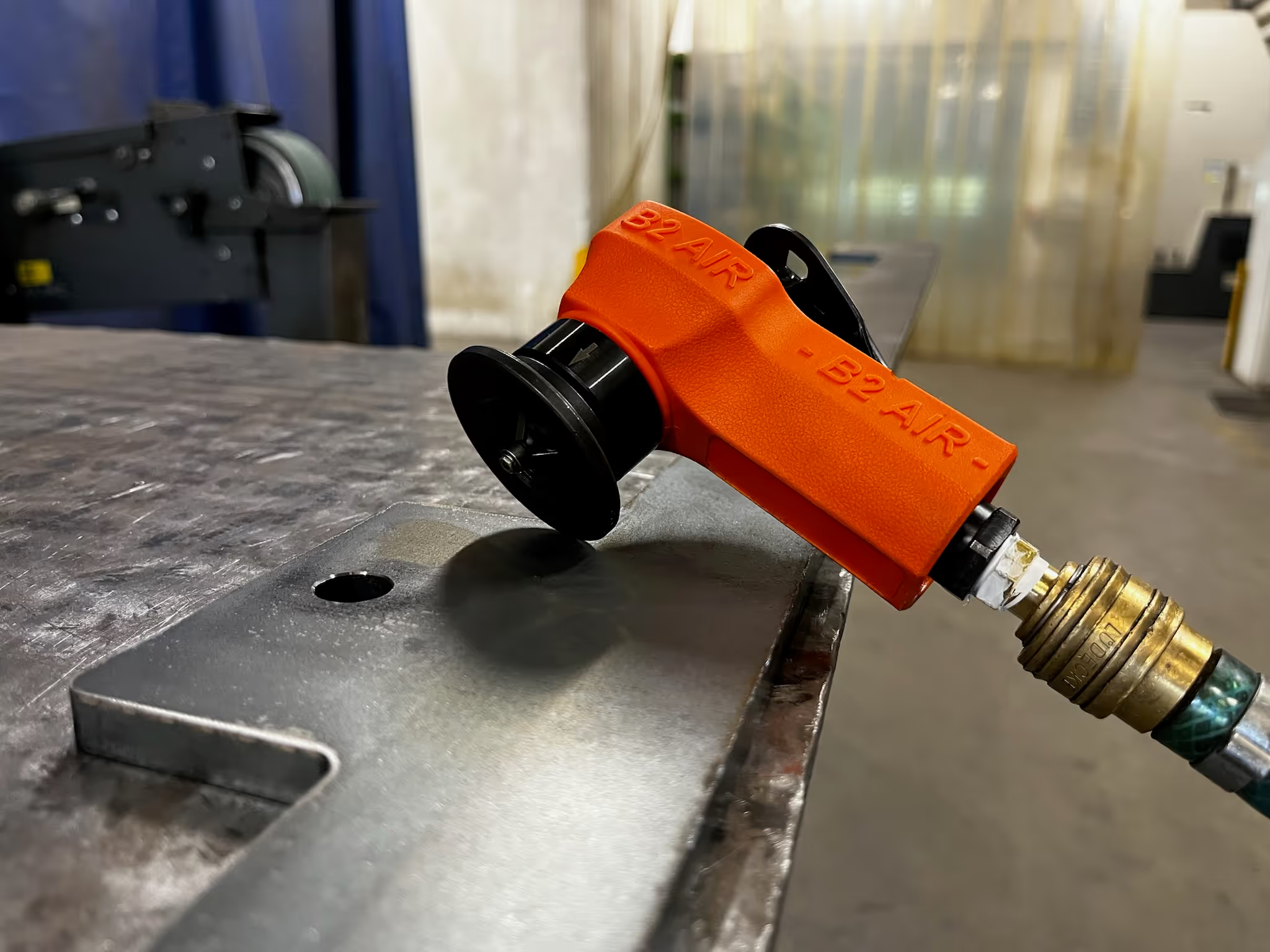
Rounding
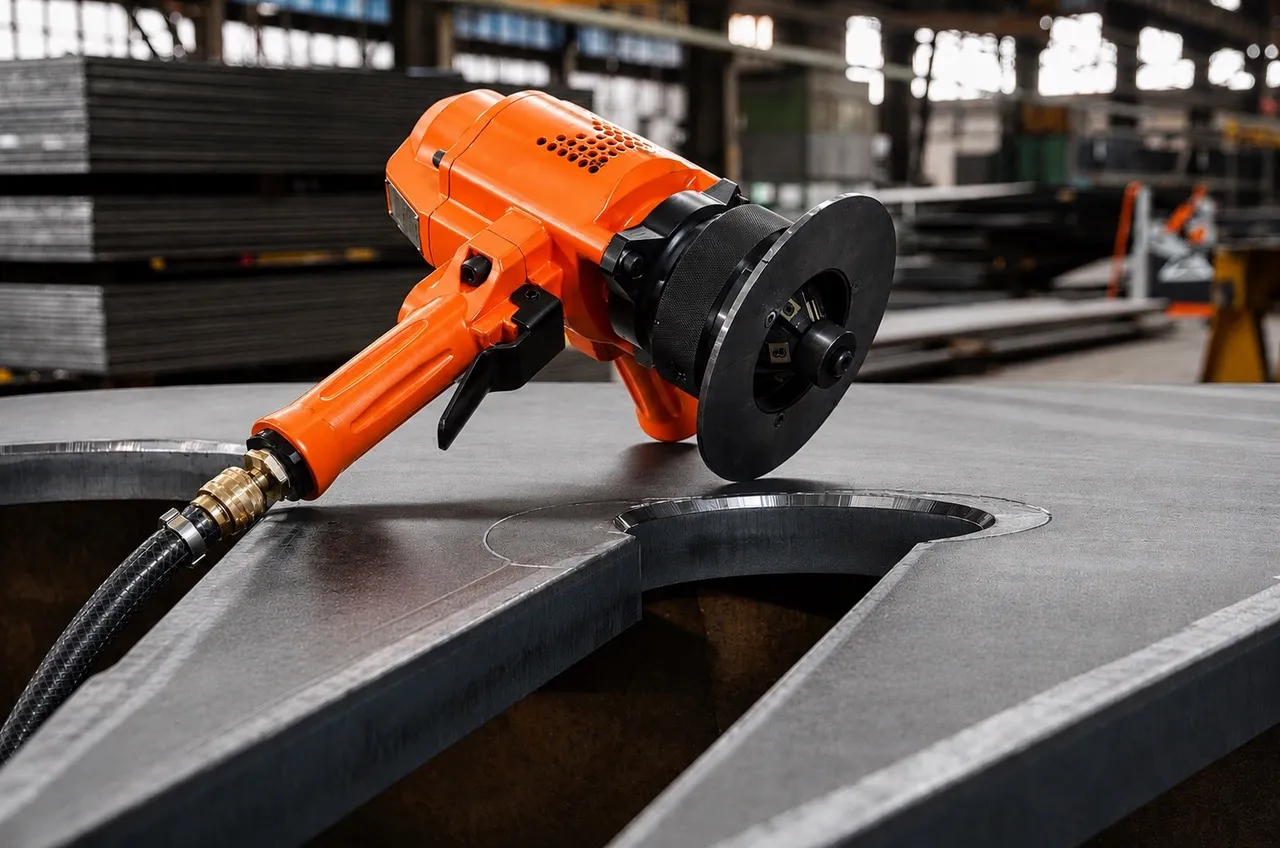
Rounding is used to create a defined radius on sharp sheet metal edges. It removes sharp cutting edges and creates a smooth transition between surfaces.
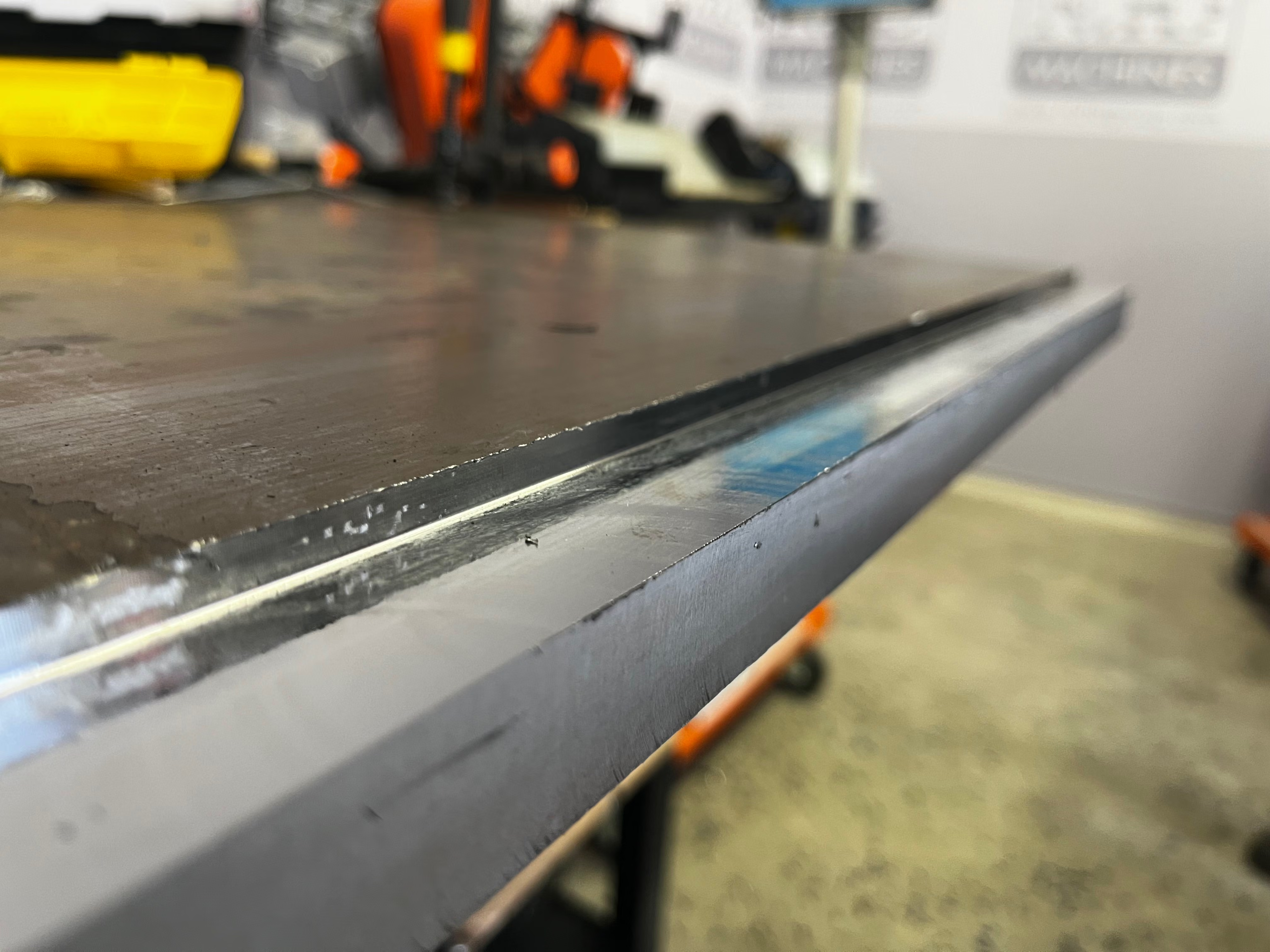
Cladding Removal
Cladding removal is used to selectively remove a layer of material from clad or multi-layer sheet metal. This is particularly important when sheets consist of different grades of steel, for example a carbon steel base material with a stainless steel or corrosion-resistant cladding layer.
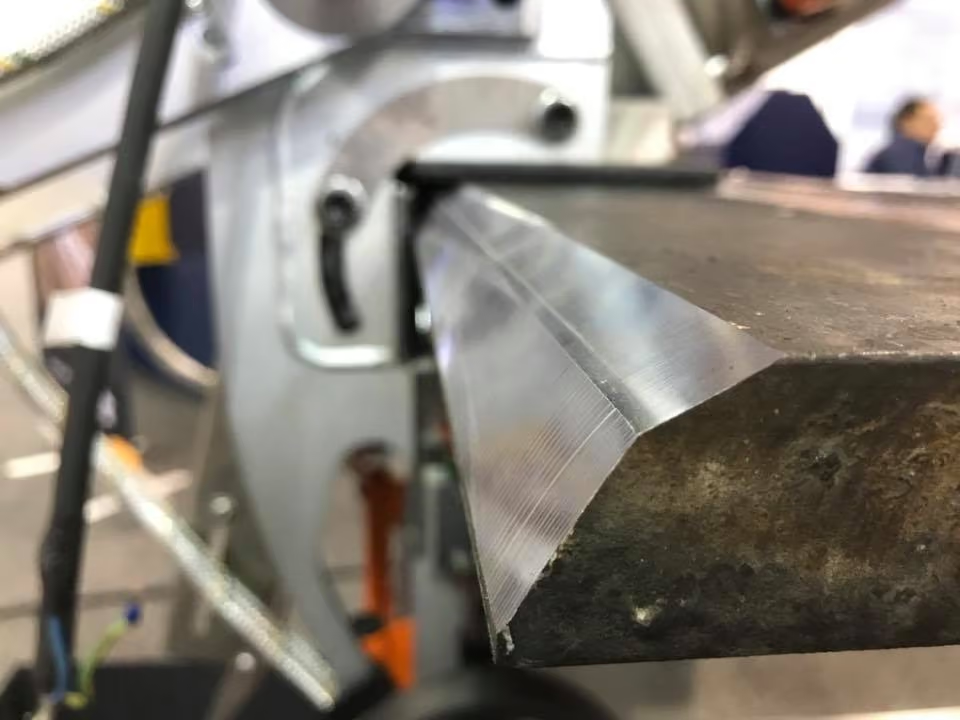
Compound Bevel
Compound bevel is used to create a complex edge preparation combining two different bevel angles. Unlike a standard bevel, the edge is machined in more than one plane, creating a geometry tailored to a specific joint or construction.
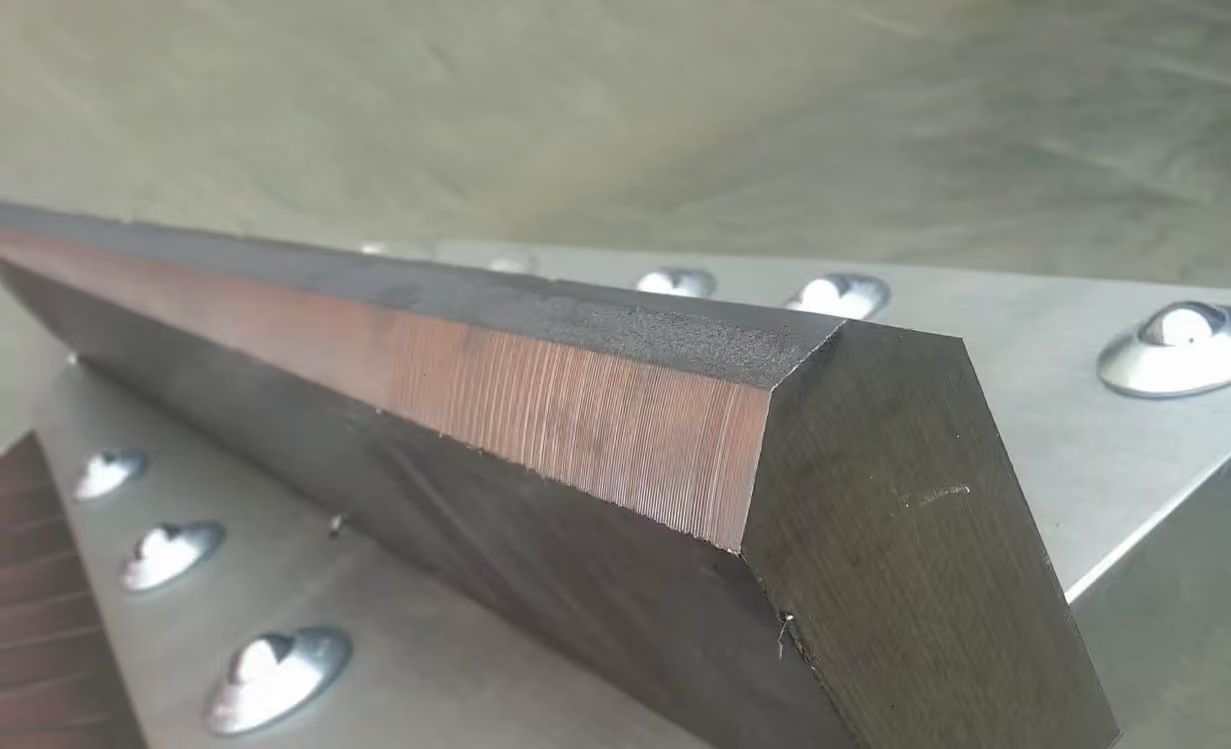
Double Bevel
Double bevel is used to create a bevel on both sides of a plate edge. This method is particularly suitable for thick plates and applications where optimal weld geometry and sufficient penetration are required while minimizing the amount of weld metal.
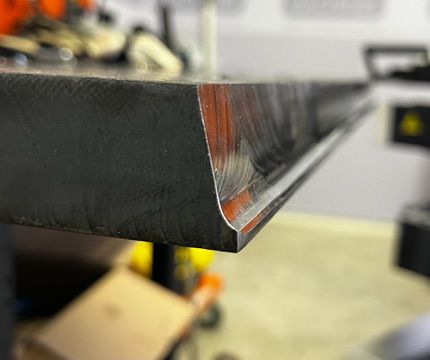
J-Bevel
J-bevel is used to prepare the edges of thick plates before welding. It creates a J-shaped bevel with a radiused root, providing a precisely defined weld geometry.

Tapering
Tapering is used when joining sheets of different thicknesses, where a smooth transition from the thicker sheet to the thinner one is required. A transition is machined on the edge of the thicker sheet at a steep angle, typically 75° or more, with a transition length often defined at a ratio of approximately 1:4.
Don’t see your application?
Every edge preparation challenge is different.
Whether you need beveling, edge rounding, deburring, or a specialized solution, we’re here to help.
Tell us about your material, requirements, and application.
Our experts will recommend the right N.KO machine for your needs.