
English
Inquire
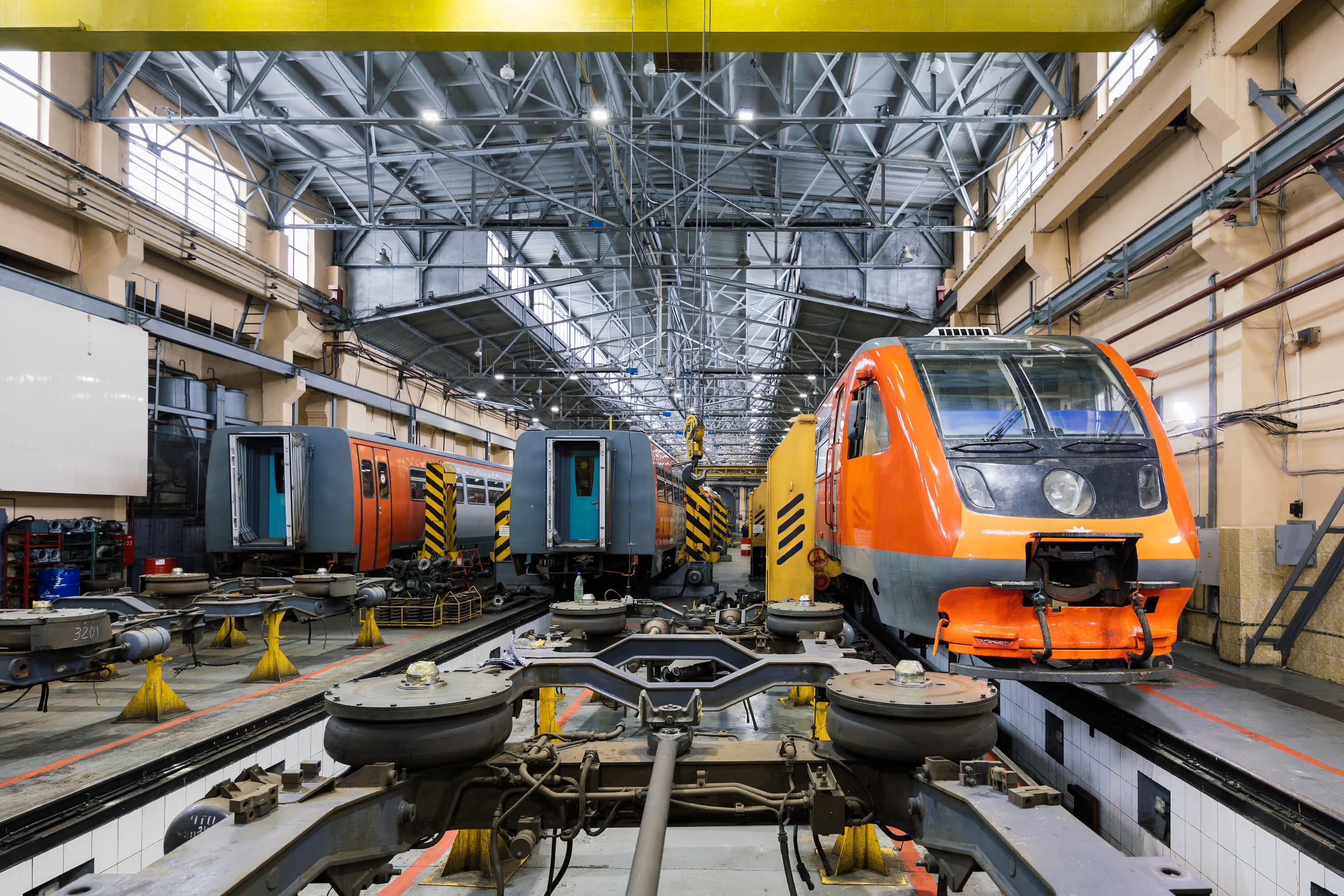
Rail vehicles, heavy machinery and large transport systems operate under continuous dynamic loads, vibration and mechanical stress.
These conditions expose every weakness in a welded joint — not immediately, but over time.
Fatigue failures typically originate where the weld was not properly prepared.In this environment, weld preparation is a key factor in long-term structural performance.
From bogie frames and chassis to structural assemblies, manufacturers must ensure that every weld is capable of withstanding millions of load cycles over years of operation.

Manufacturers in this sector operate under strict standards such as EN 15085 for railway vehicles and ISO 3834 for welding quality management.
Structural components are designed for:
Even small deviations in bevel geometry or surface quality can lead to:
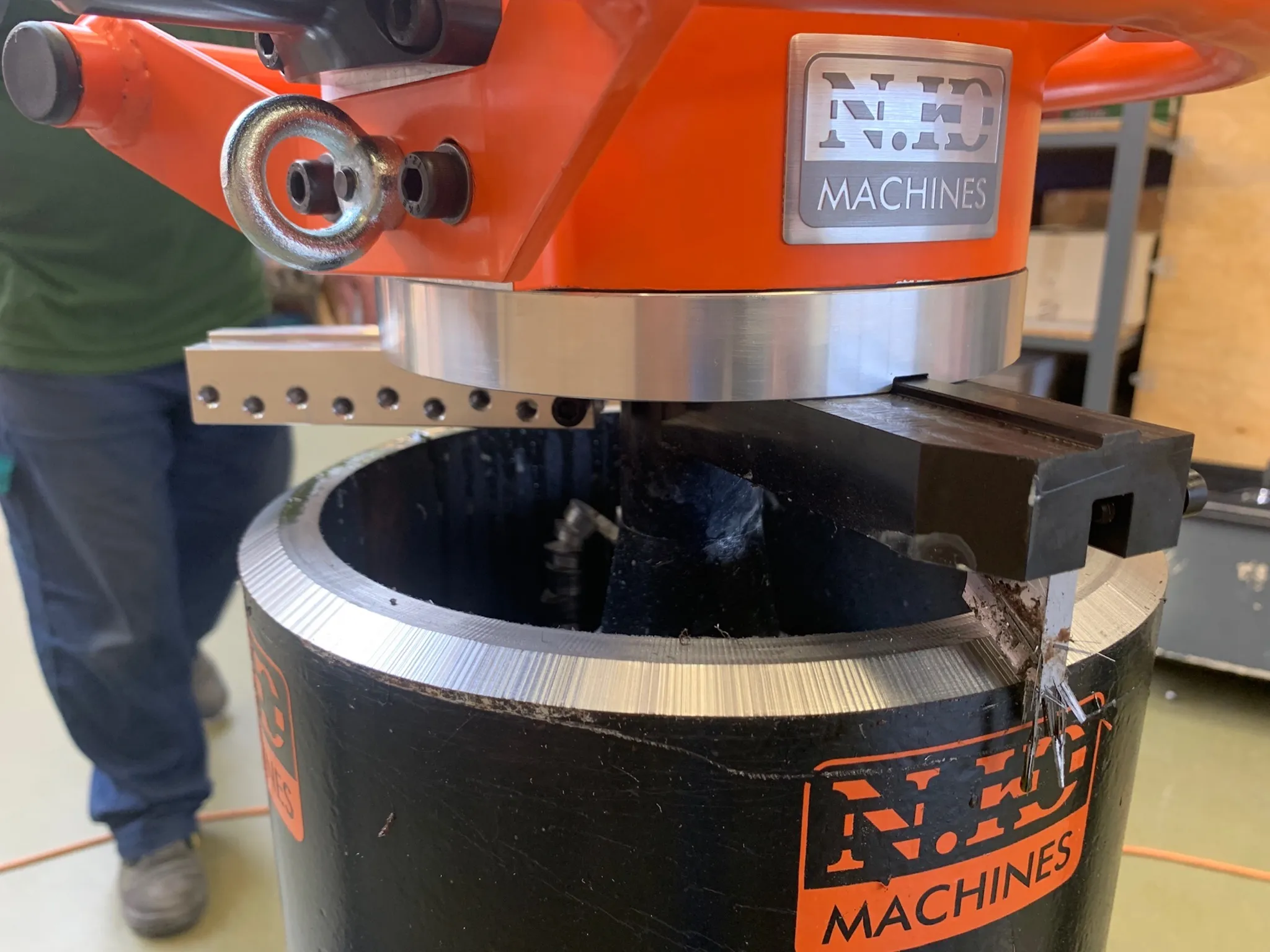
Manual preparation introduces variability that is difficult to control across production batches. Machined beveling ensures precision, repeatability and consistency.

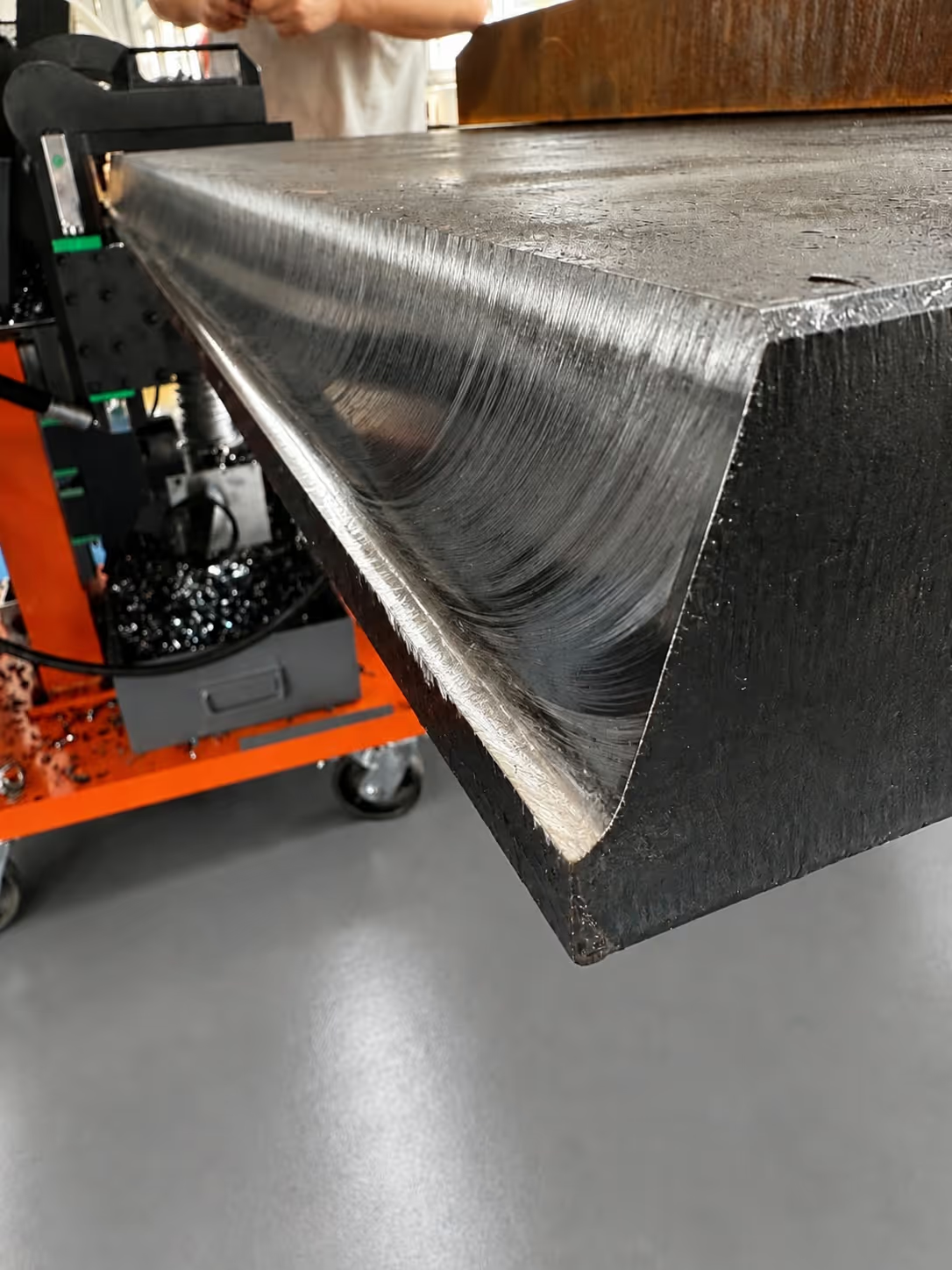
Precise bevel geometry and clean surfaces support welds with higher durability under cyclic loading.
This directly impacts the lifespan of vehicles and heavy equipment.
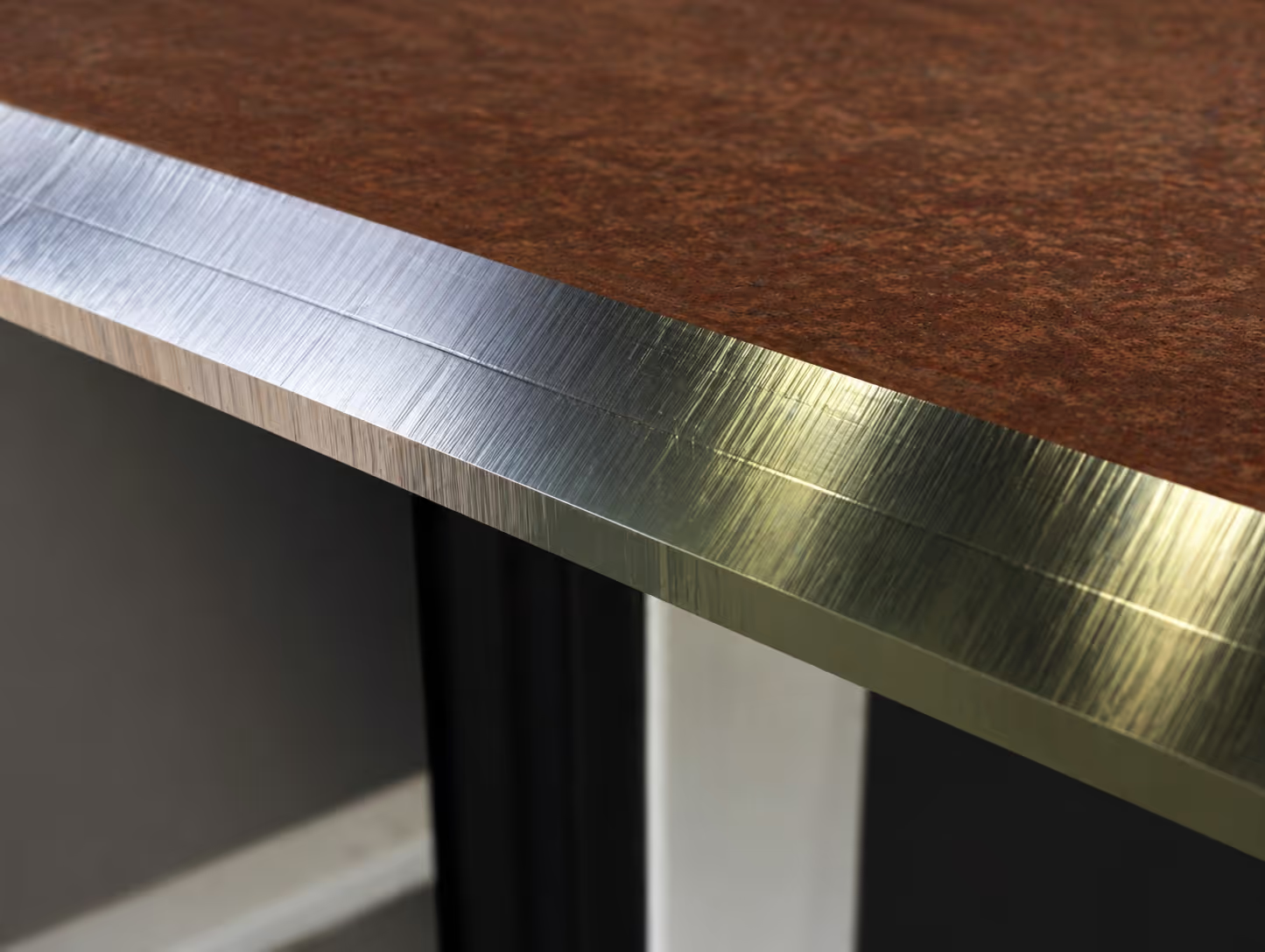

Thermal cutting methods introduce heat-affected zones and oxidation.
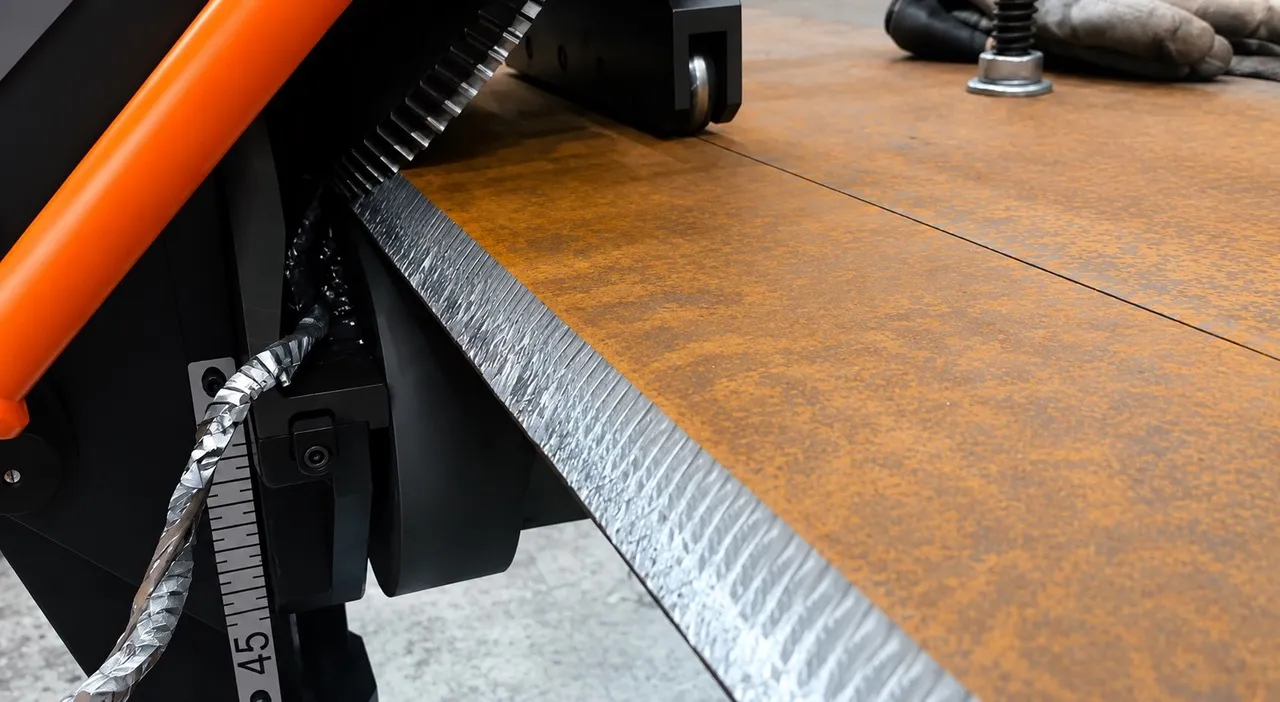
Machining removes these layers and exposes clean, structurally intact base material.
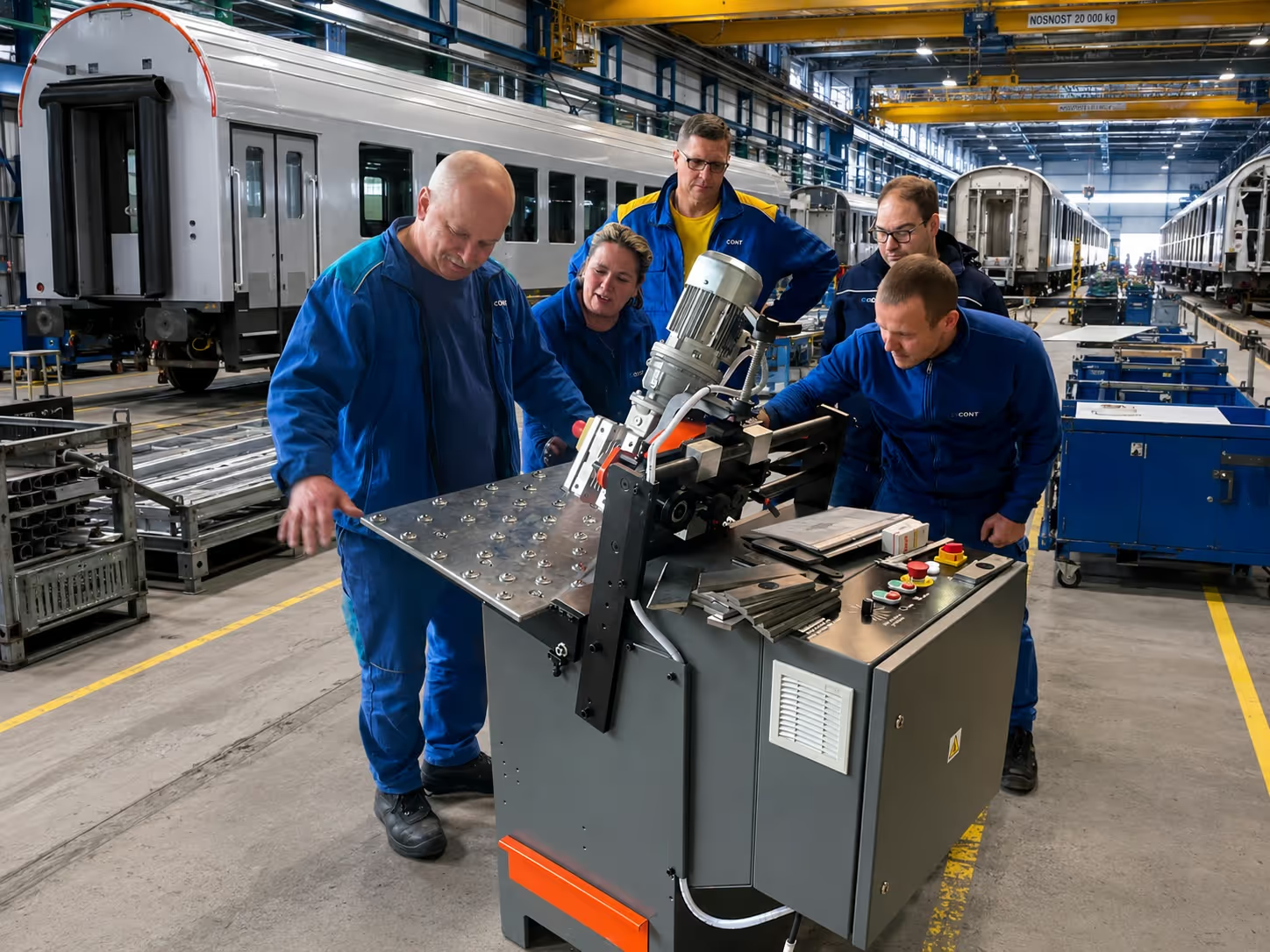
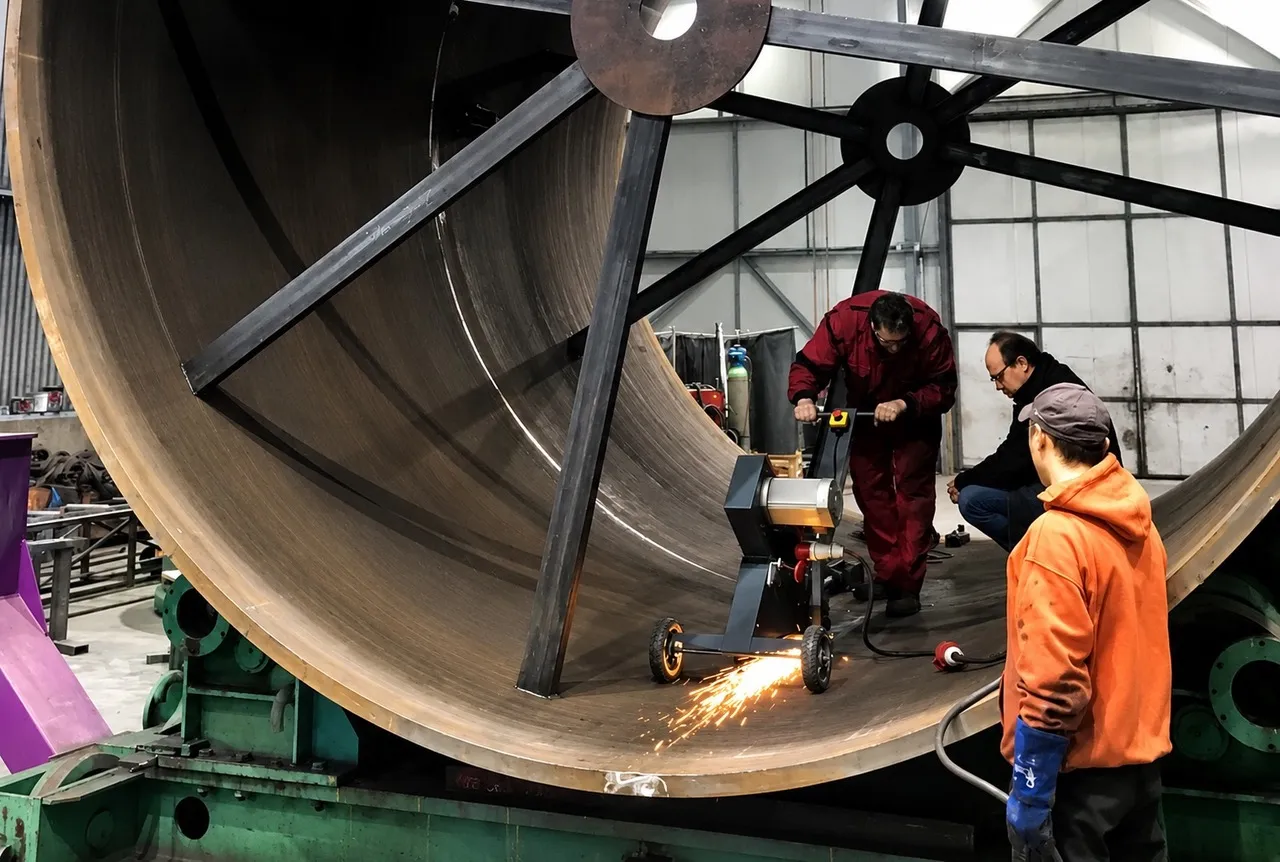
Preparation time is significantly reduced compared to manual grinding.
In serial production, this results in measurable improvements in throughput and efficiency.
Modern frames and structures use steels with yield strength of 700 MPa and above.
These materials are sensitive to thermal impact — machining preserves their properties.
Failures in transport structures often occur after extended operation.
A controlled preparation process reduces the risk of defects that could lead to warranty claims or long-term issues.
They all share the same challenge: ensuring long-term reliability under dynamic load conditions.
In transport manufacturing, quality issues often appear after years of use — when repair is most costly.
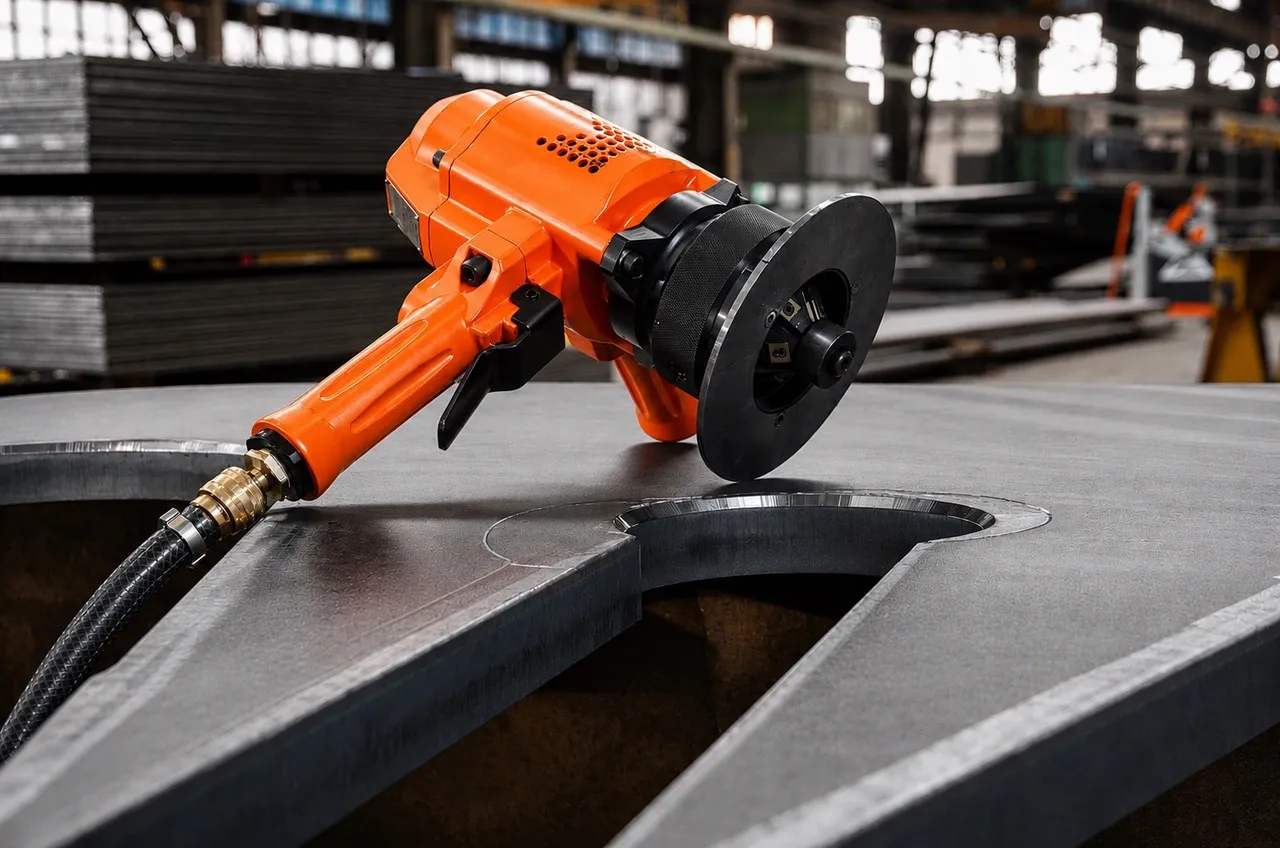
Beveling machines help ensure that welds are prepared correctly from the beginning, improving durability and reducing long-term risk.
At the same time, they contribute to faster production and more consistent results across batches.
.avif)